

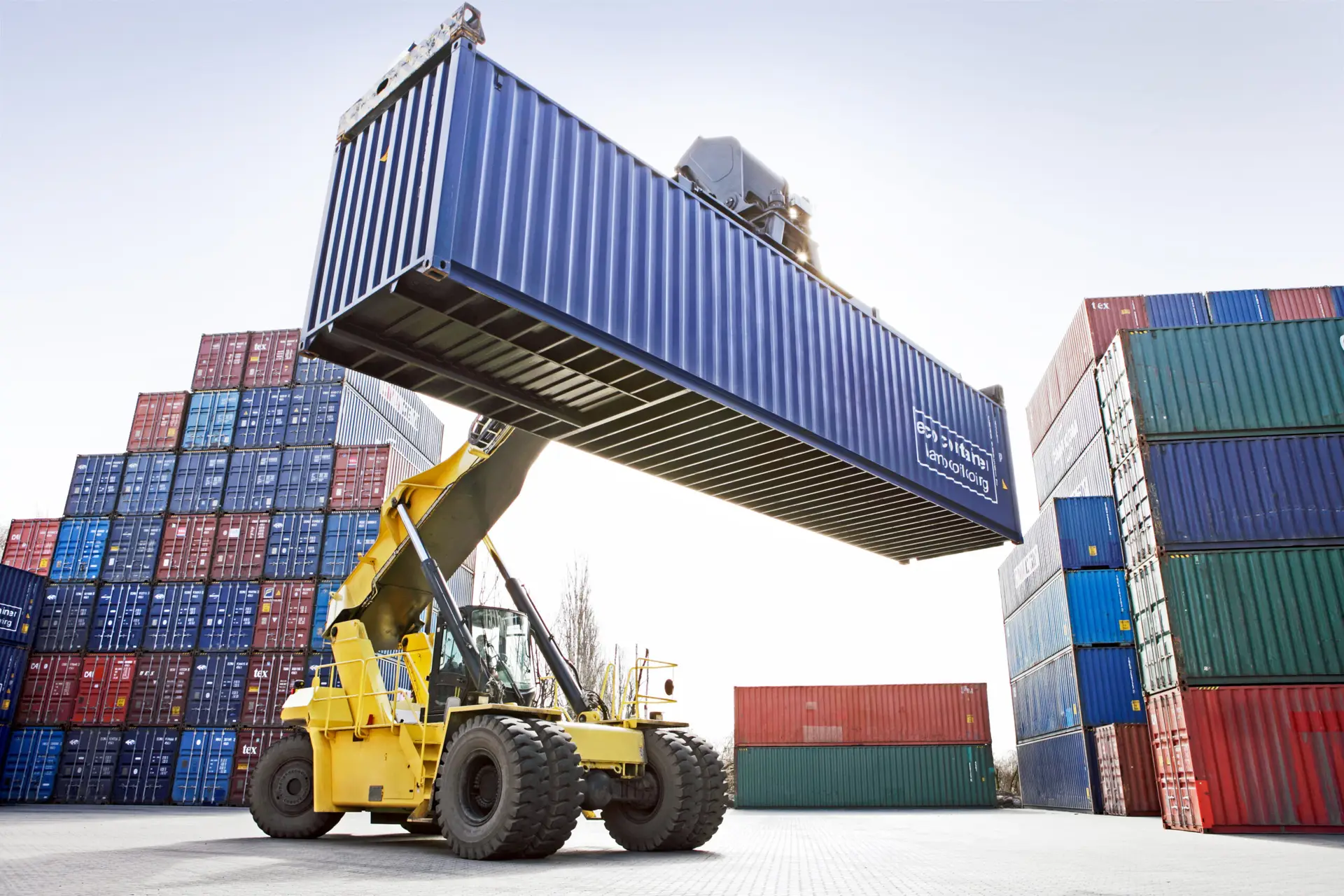
Shipping Container Transport Costs: Transporting a shipping container from one location to another might sound straightforward. Collect it, put it on a lorry, drive to the destination and unload it. Job done.
Except, as anyone involved in logistics knows, the reality is rarely quite that simple.
Container dimensions, cargo weight, collection arrangements, delivery access, lifting requirements and journey planning all influence the transport solution required.
Understanding these factors helps businesses plan more efficiently, avoid unnecessary complications and obtain an accurate quotation.
Container Size and Weight
One of the first considerations is the size and weight of the container.
Standard shipping containers commonly include 20ft and 40ft units, alongside high-cube and other specialist configurations.
Although a 20ft container is shorter than a 40ft container, it can still carry a substantial amount of weight. Consequently, choosing the appropriate vehicle involves much more than checking the container’s length.
The transport provider needs to understand the container’s gross weight, dimensions and whether it is loaded or empty.
Accurate information helps determine vehicle suitability and ensures the journey complies with road transport regulations.
Collection and Delivery Locations
The distance between collection and delivery points is important, but mileage alone does not tell the whole story.
A straightforward motorway journey between established logistics facilities is different from a delivery to a rural construction site with narrow roads and restricted access.
Transport planning may need to consider:
- Road access and vehicle restrictions
- Site opening hours
- Collection appointments
- Traffic conditions and suitable routes
- Waiting time and unloading arrangements
- Any special delivery instructions
Providing accurate site details at the quotation stage helps prevent complications later.
Choosing the Right Delivery Method
One of the biggest differences between container deliveries is how the container will be unloaded.
Where suitable lifting equipment is already available, a conventional skeletal trailer may be appropriate.
Where a customer needs a container placed directly onto the ground, a sidelifter may provide a practical alternative.
Sidelifter vehicles carry hydraulic lifting equipment designed to lift suitable containers on and off the vehicle, subject to weight, ground conditions and access requirements.
This can remove the need to arrange a separate mobile crane for certain deliveries.
However, sidelifters still require sufficient operating space and stable ground.
Loaded or Empty Containers
An empty container presents different handling requirements from a fully loaded one.
A loaded container may need additional checks relating to gross weight, weight distribution, cargo securing and the lifting equipment’s capacity.
For international movements, accurate container weight information is particularly important.
Customers should never assume that because a vehicle can transport a container, it can automatically lift that container at any location.
Port Collections and Scheduling
When collecting containers from UK ports, timing becomes particularly important.
Hauliers may need to coordinate collection appointments, release instructions, customs clearance status and delivery schedules.
Poor coordination can lead to delays, missed collection opportunities and additional operational complications.
This is where working with an experienced container transport provider can make a substantial difference.
Example: Two Very Different Container Deliveries
Consider two businesses that both need a 20ft shipping container delivered.
The first operates from a distribution centre with suitable lifting equipment, wide access roads and a prepared unloading area.
The second needs its container placed on the ground at a construction site where no crane or forklift is available.
Although both businesses are transporting the same size container, their requirements are very different.
The distribution centre may be able to accept delivery on a standard skeletal trailer.
The construction site may require a sidelifter, together with checks on ground conditions, access width and the intended container position.
Understanding these requirements before transport is arranged helps both customers receive the appropriate service.
Planning Makes the Difference
The most effective way to arrange container transport is to provide clear information from the beginning.
Containerlift can assess the requirements and help identify a suitable transport solution, whether that involves conventional container haulage, sidelifter delivery or specialist arrangements.
The right container transport solution isn’t simply about getting from A to B. It’s about getting the container safely into the right position when it arrives.
Arrange Container Transport with Containerlift
Whether you’re moving a single shipping container or coordinating multiple deliveries, Containerlift can help you plan the journey.
Explore Containerlift’s transport services and enquire about your next container movement.

