

The Ultimate Guide to Choosing the Right Shipping Container Size
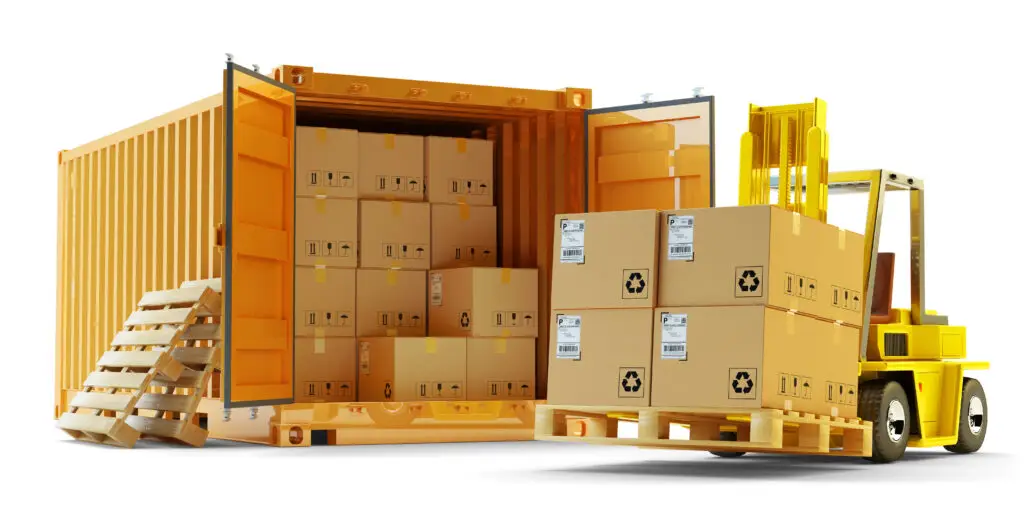
Choosing the right shipping container size sounds simple… until you’re staring at a driveway that’s too tight and a 40ft unit that suddenly looks like an aircraft carrier.
Shipping Jargon Glossary: The Ultimate Beginner’s guide for 2026
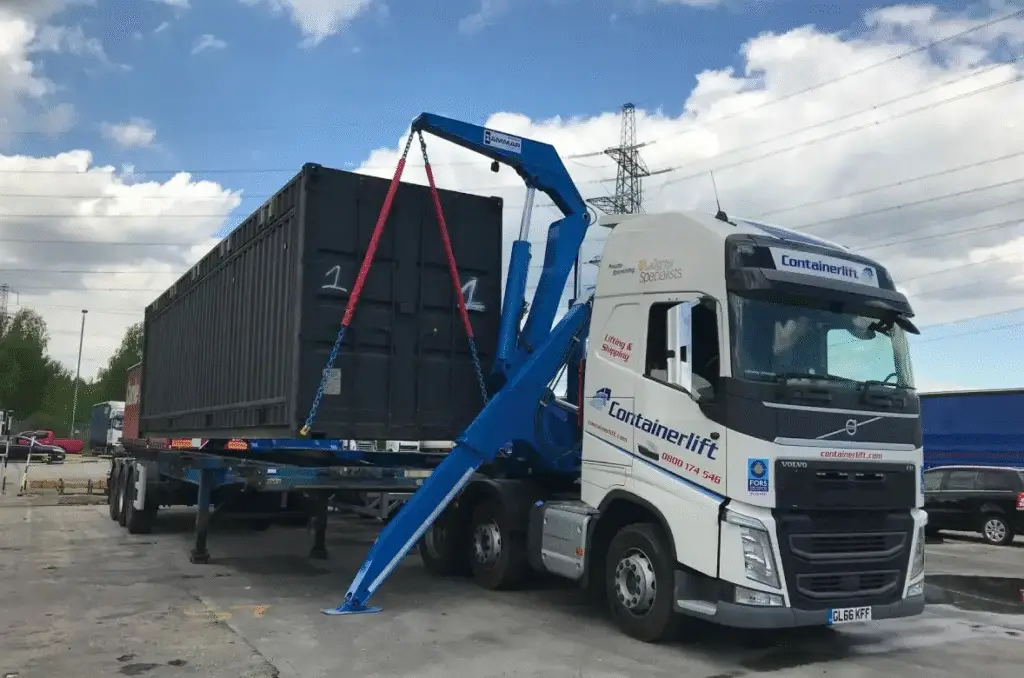
Do shipping terms feel like another language? Let’s decode them properly. Shipping — whether by sea, air, rail or road — runs on terminology that can feel like code only insiders understand. And unfortunately, misunderstanding even a single term can cause extra costs, delays or legal problems. This Shipping Jargon Glossary is designed to: By […]
Exporting Goods by Container: A Beginner’s Guide for UK Businesses

Exporting goods by container: Are you ready to export your products overseas, but don’t know where to start? For many UK businesses, exporting goods sounds far more complicated than it really is. Terms like Incoterms, commodity codes, customs declarations and Bills of Lading can make international shipping feel like a world reserved for logistics specialists. […]
Project Cargo Shipping: How to Move Large or Complex Shipments Overseas
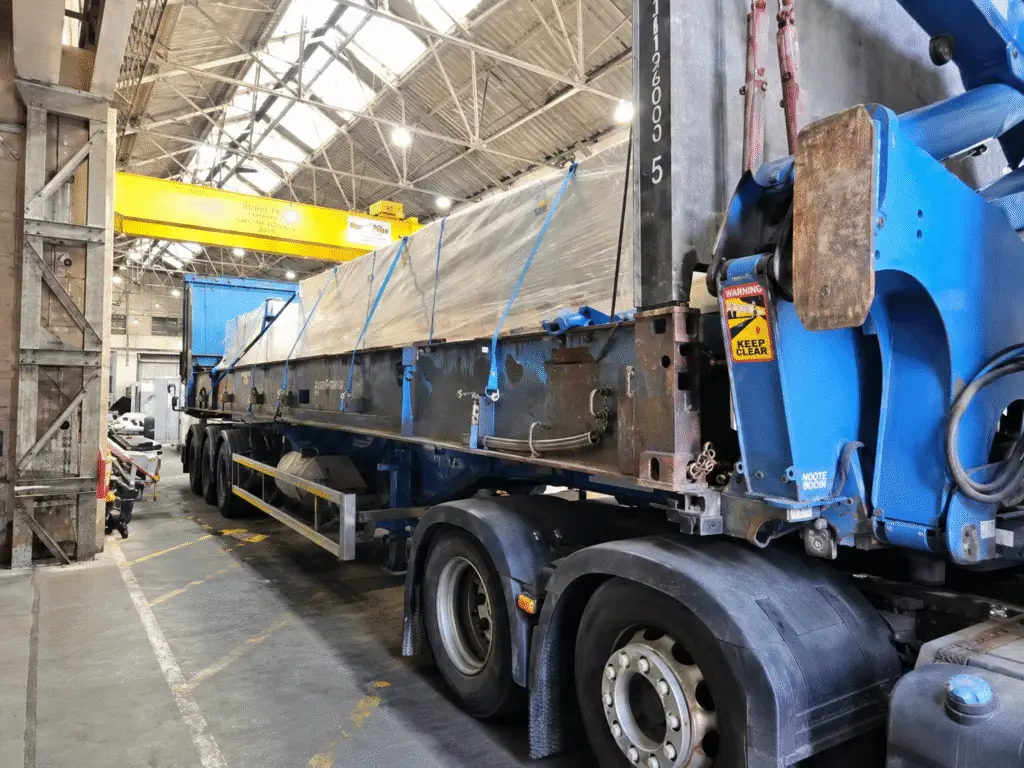
How do you move a 120-tonne turbine blade, a modular building section, or an entire production line across the world without the whole operation descending into logistical chaos?
New vs Used Shipping Containers: Which Should You Buy?
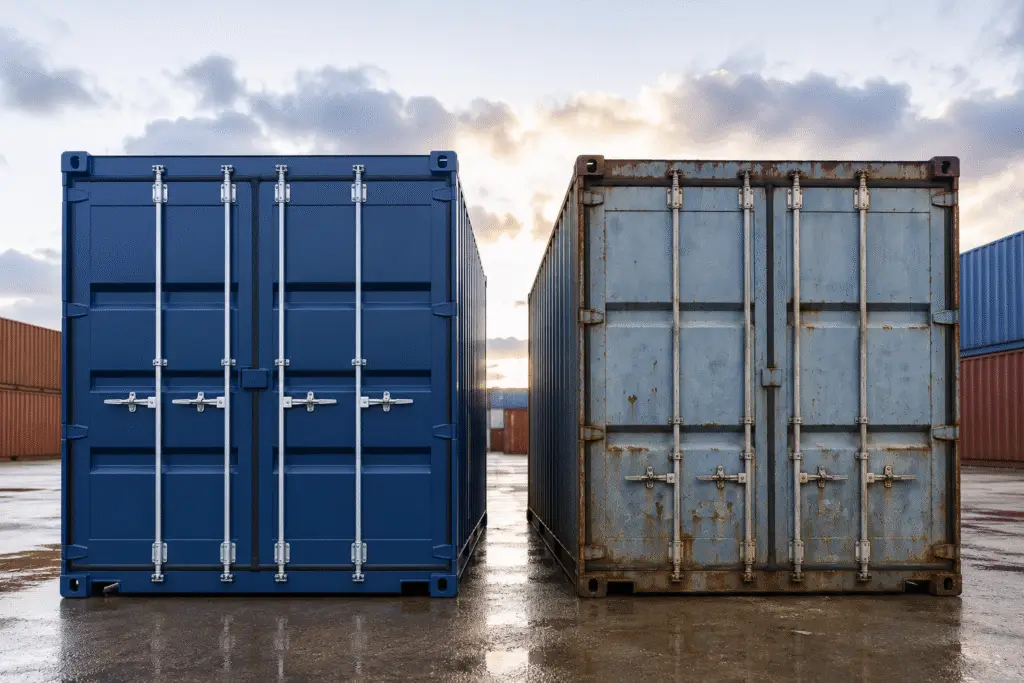
Have you ever looked at two shipping containers sitting side-by-side and wondered why one costs nearly double the other, despite both looking like giant metal boxes designed to survive a hurricane and an angry forklift driver?
Importing a Shipping Container to the UK: What Happens Step by Step?
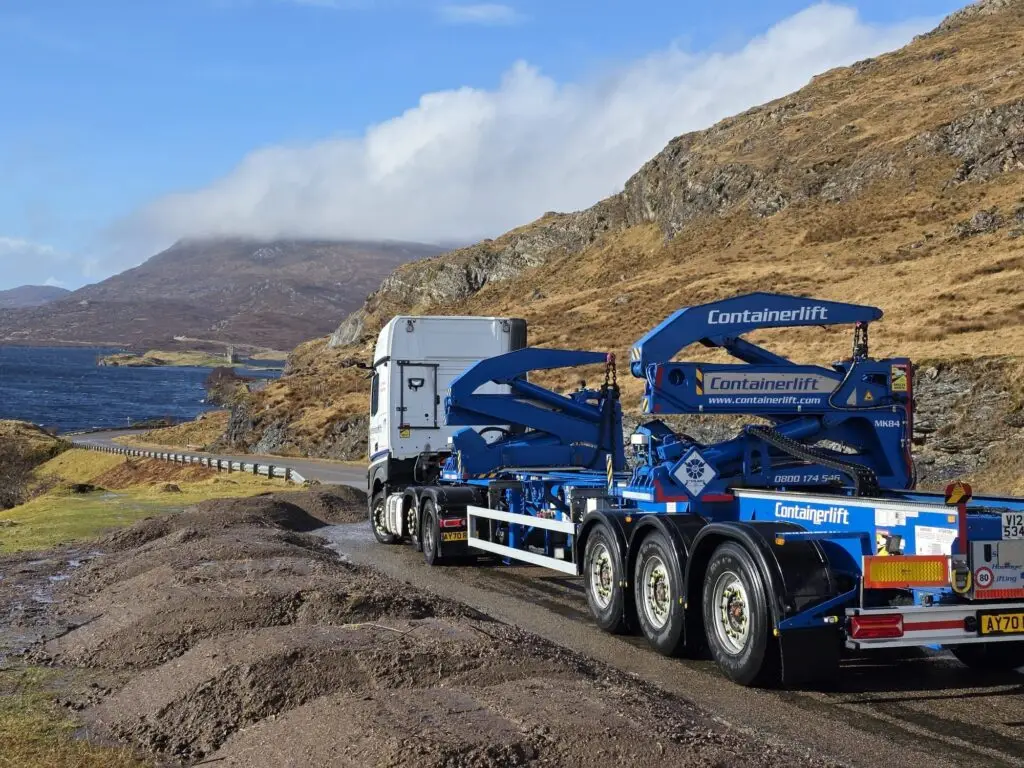
Have you ever wondered what actually happens after a shipping container leaves overseas and starts its journey to the UK? Importing a shipping container to the UK is not just “buy something, put it on a boat, wave at Felixstowe”. Lovely idea. Completely fictional. In reality, importing a container involves documentation, customs declarations, port handling, […]
Out of Gauge Cargo Transport: What Counts as Oversized Freight?
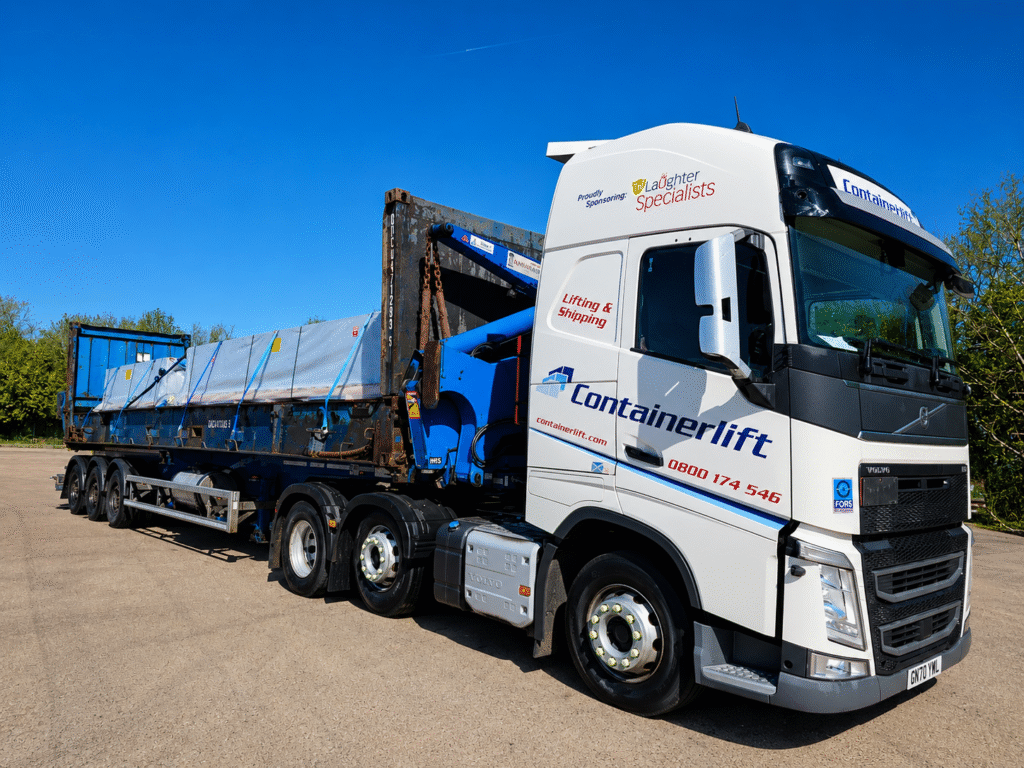
If your cargo hangs over the side of a trailer, towers above a container roof, or weighs enough to make a bridge inspector nervous, there’s a good chance you’re dealing with Out of Gauge cargo.
And this is where logistics suddenly stops being “book a container and hope for the best” and starts becoming specialist transport planning.
The Hidden Cost of Not Using a Sidelifter
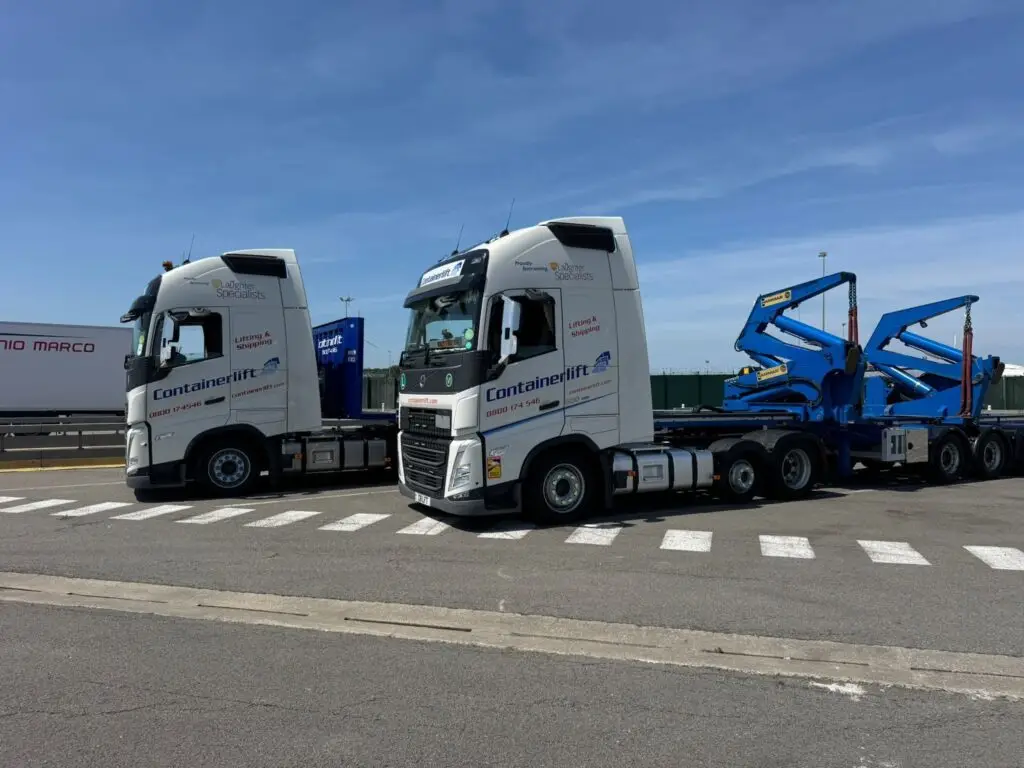
The obvious cost of container delivery is the transport quote. Lovely, neat, reassuring. A number on an email that makes everyone feel terribly organised. Unfortunately, that number is not always the full cost of getting a container where it needs to be. The painful costs often sit in the awkward bit nobody puts on the first spreadsheet: waiting time, failed delivery, extra lifting equipment, site disruption, double handling, missed loading windows, damage risk, yard chaos and the charming admin confetti that follows when a container is not where it should be.
Dangerous Goods Container Transport: What Businesses Need to Know
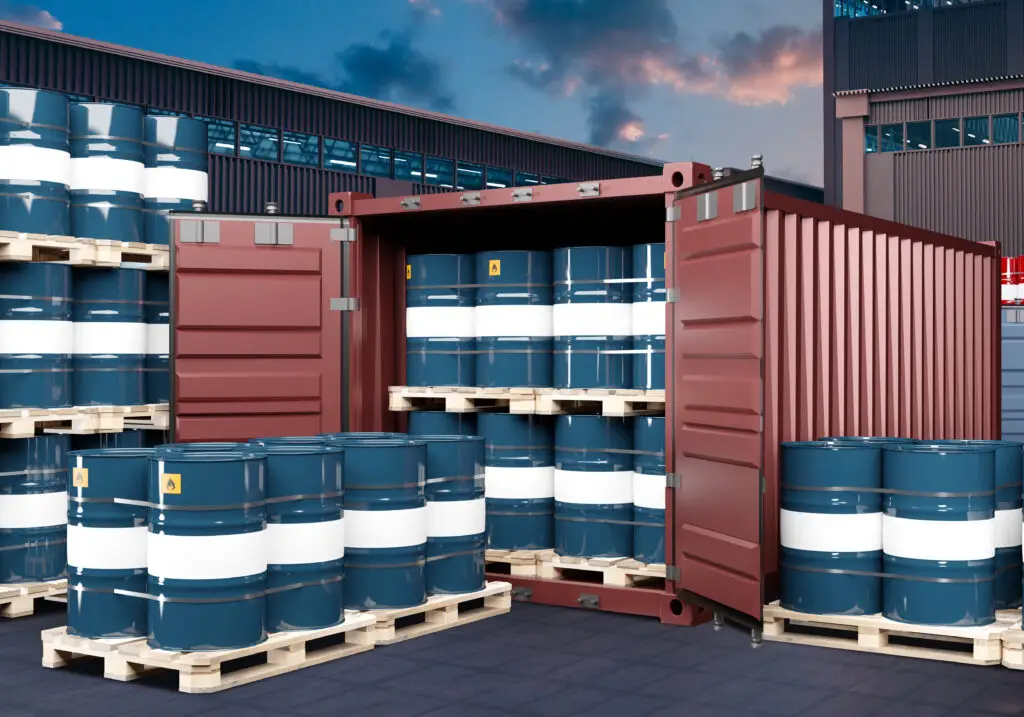
Can your business move a container of dangerous goods from a UK port to site without turning the job into a paperwork bonfire, a port delay, or an expensive visit from the compliance fairy?
How Container Delivery Works from UK Ports to Your Site
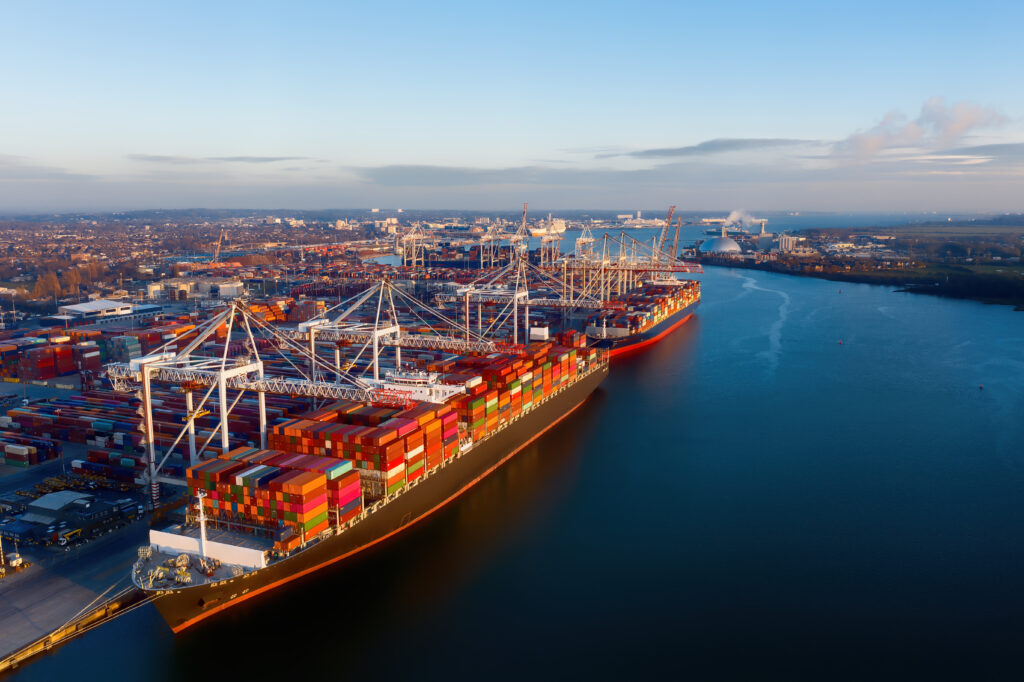
Container delivery from UK ports sounds simple until you meet the charming little gang of details hiding behind the phrase “it’s arriving next week”. There is the vessel arrival, the terminal discharge, the customs clearance, the shipping line release, the haulier booking, the collection slot, the road route, the site access, the lifting plan and, finally, the moment your container either lands beautifully where you wanted it or sits outside the gate like a very expensive steel accusation.
The good news is that the process is completely manageable when the right people are involved early. The bad news is that guessing is still not a logistics strategy, no matter how confidently someone in a hi-vis says, “We’ll probably be fine.” UK ports such as Felixstowe, Southampton, London Gateway, Liverpool and Tilbury move huge volumes of container traffic. Once your box is released, the final leg to your site has to be planned with the same care as the sea journey before it.

