

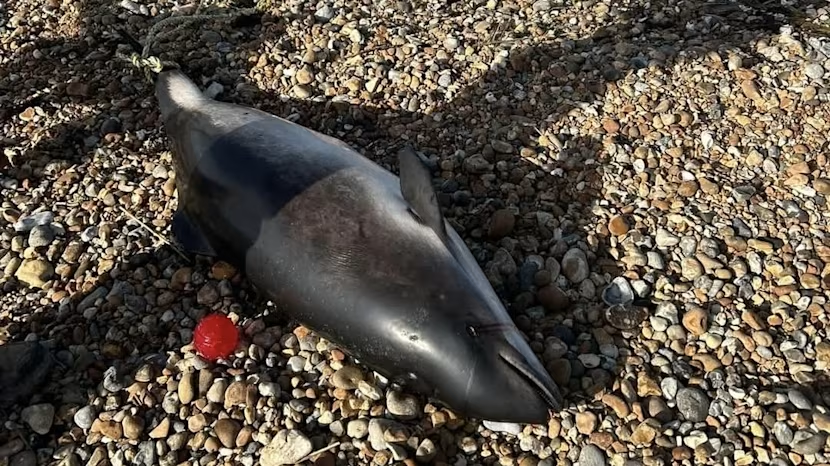
Wildlife organisations have voiced serious concerns that the deaths of several seals and a porpoise on the Sussex coast could be connected to debris from shipping containers that were lost at sea during recent storms.
Around **40 containers fell from three cargo vessels off the Isle of Wight over the past two months amid rough weather, with their contents — including foodstuffs such as chips, onions and bananas — washing up along shores from Hampshire to Sussex and Kent. The containers themselves, along with plastic packaging, rope and other materials, have raised alarm among marine conservation groups about their potential impact on sea life.
Councillor Jimmy Stanger, representing St Marks Ward in Bexhill, highlighted the troubling number of animals found washed up in recent weeks. While causation has not been proven, he noted that “in the last two weeks the amount of wildlife from rays, to dogfish, to crustaceans, a number of seals and dolphin porpoise have washed up.” Stanger emphasised that the correlation between the volume of waste arriving on beaches and the marine deaths was deeply concerning.
Plastic and Packaging Highlighted as Key Risks
Thea Taylor of the Sussex Dolphin Project warned that the issue goes beyond just the food spilled from the containers. She pointed to the dangers posed by the plastic and other materials contained within the debris:
“We’ve heard of the example of the seal that was sadly washed up entangled in one of the onion bags, which is a really, really sad example because it was an otherwise apparently healthy seal.”
Taylor explained that plastic, nylon mesh bags, rope and container fragments present multiple threats to marine animals — from entanglement to ingestion of harmful materials. She added that the full ecological impact will not be understood for years, as both physical hazards and chemical leaching from plastics and container paint coatings can have long-term consequences for marine ecosystems.
Authorities Respond to Debris and Navigational Hazards
The Maritime and Coastguard Agency (MCA) confirmed that reports have been received of containers, fragments and non-hazardous contents along the Sussex shoreline. According to the MCA, efforts have been made to recover container fragments from the sea and dispose of them safely, and aerial surveillance has been conducted off the south coast in coordination with contracted response vessels.
A spokesperson explained that navigational warnings have been issued to mariners, and that the owners of the vessels involved are responsible for recovering the containers as part of a coordinated response effort involving multiple stakeholders.
One of the vessels involved — the refrigerated cargo ship Lombok Strait — said recovery operations for its lost containers are ongoing, with support from insurers and maritime authorities. The company reiterated that the cargo was non-hazardous, but that safety and environmental considerations remain key priorities during the response.
Ongoing Concerns for Marine Life
While direct causation between the shipping container debris and specific marine mammal deaths has not been scientifically confirmed, the clustering of carcasses and the volume of debris has prompted calls for deeper investigation. Conservationists emphasise that plastic pollution and large debris — even food unpacked at sea — can disrupt feeding behaviour, entanglement risk and wider ecosystem health.
Organisations monitoring the coastline warn that more containers and fragments are still expected to wash up, and that understanding the long-term impacts will require sustained study and greater focus on maritime safety standards.
“What washes ashore isn’t just debris — it’s evidence of a wider problem where lost cargo can ripple through marine ecosystems with devastating consequences.”

