

Can new canals and alternative routes really reshape global shipping — and your container supply chain?
Global Shipping Routes in Flux: For decades global maritime trade has revolved around a handful of key chokepoints and canals. Think Panama Canal, Suez Canal, the Cape-of-Good-Hope route, etc. But 2025 is showing that pressure — from capacity, climate, geopolitics and demand for efficiency — is nudging the industry toward new routes, rival waterways and ambitious infrastructure projects.
For a container-supplier and logistics partner like Containerlift, this isn’t distant geopolitics — it affects where containers flow, how fast goods move, and whether alternative routes or emerging waterways can deliver resilience when old passages get choked.
In this post, I run through key route developments, new-route proposals and what they might mean for businesses relying on containers and freight in 2026 and beyond.
Why Shipping Routes Matter: Risk, Time & Cost
New routes or canals don’t just redraw maps — they can:
- Shorten transit time (lower fuel, faster delivery)
- Bypass bottlenecks or geopolitical risk zones
- Unlock alternative supply corridors when traditional canals are congested
- Shift pricing and availability dynamics for freight and containers
When a company knows routes adapt — and acts on it — it gains a serious edge.
Key 2025 Route Developments & Canal Projects
Pinglu Canal (China — inland-to-sea link)
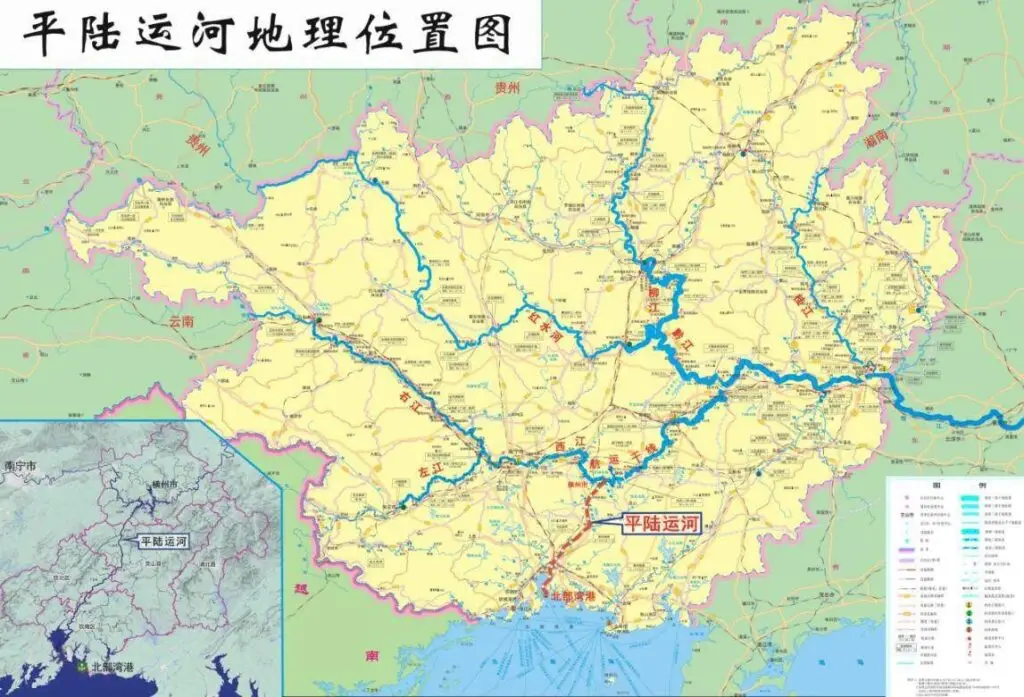
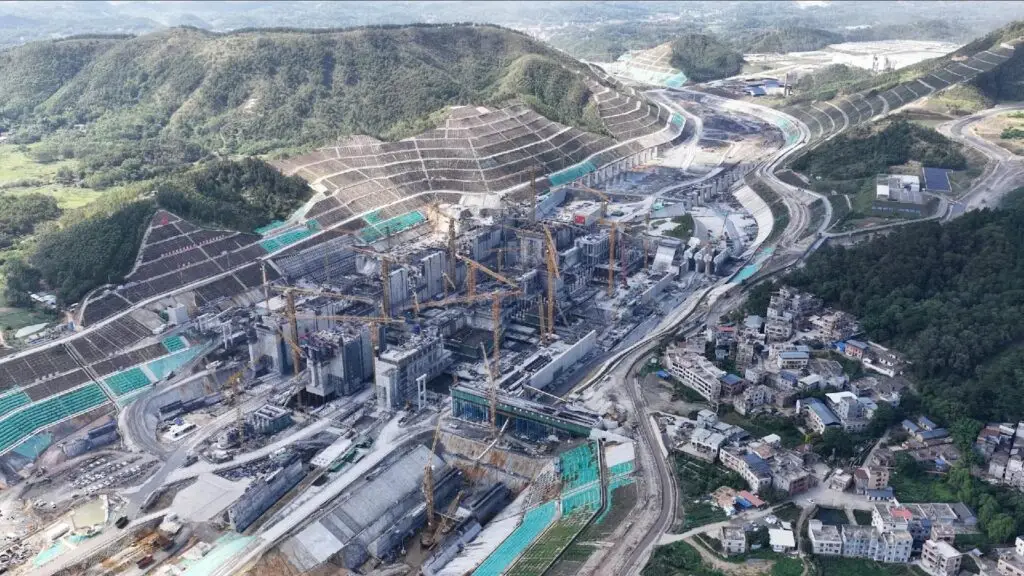
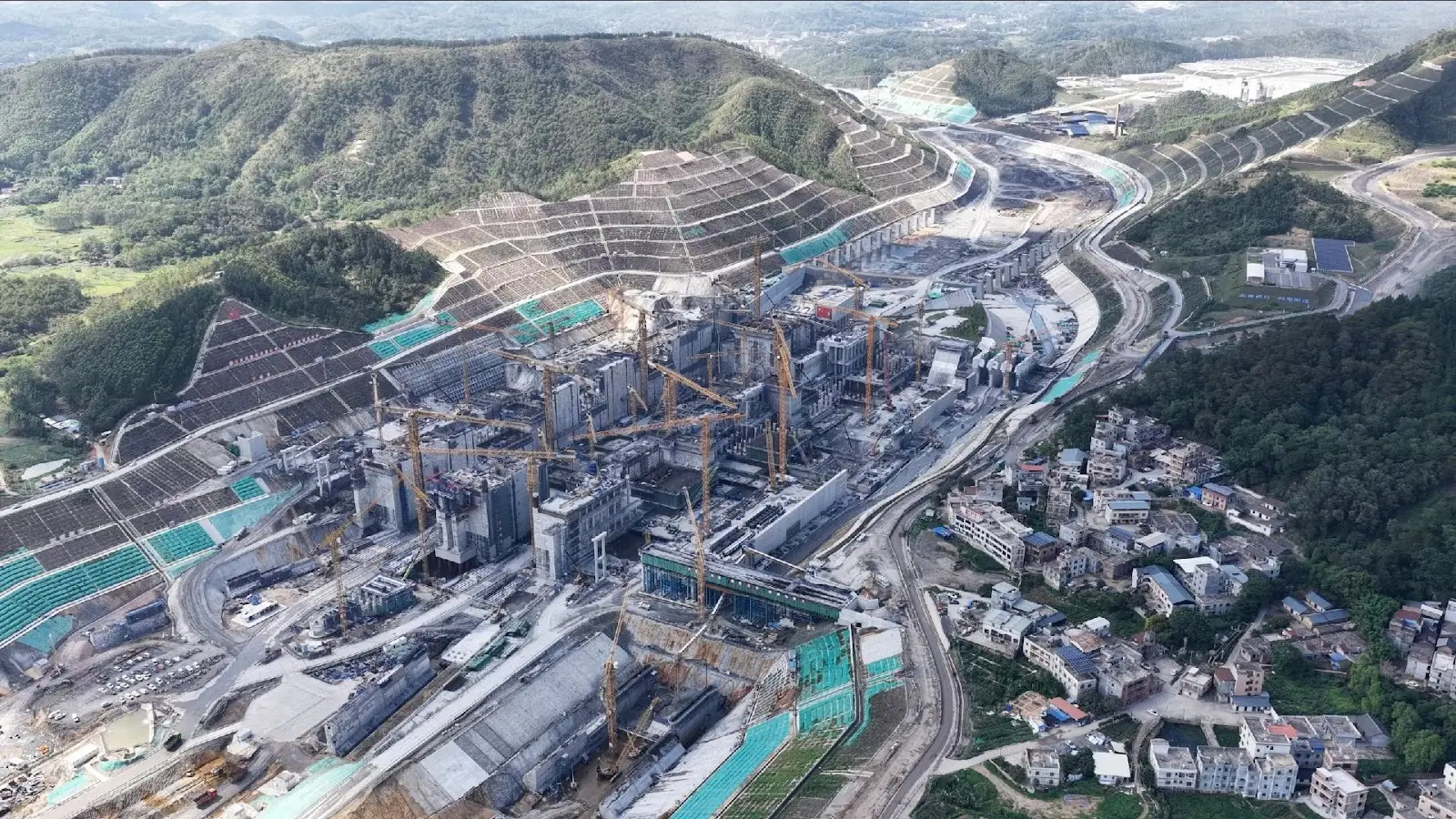
This inland waterway, under construction since 2023, aims to connect an inland reservoir in Guangxi to the Gulf of Tonkin via a canal, finishing in 2026.
- Once operational, it will shorten the route from inland Guangxi to sea by up to 560 km — a substantial saving compared to overland transport.
- For coastal-to-inland trade, it could improve logistics, lower transport cost and reduce reliance on road/rail — a potential win for exporters/importers in southern China.
Why it matters globally: every new efficient inland-sea corridor helps relieve pressure on congested Chinese ports and container backlog — which can ripple through global container availability and freight rates.
Evolving Role of the Panama Canal
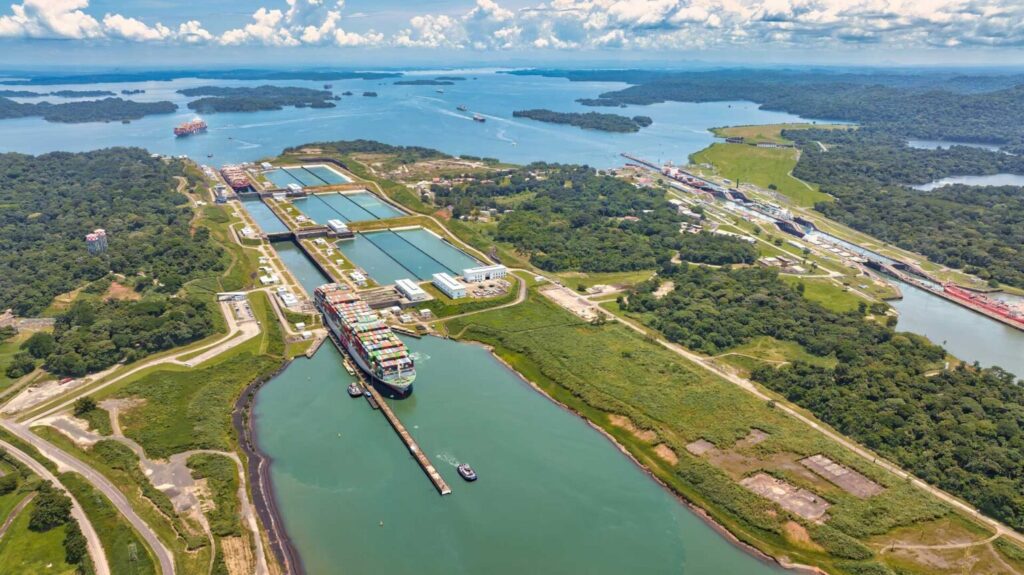
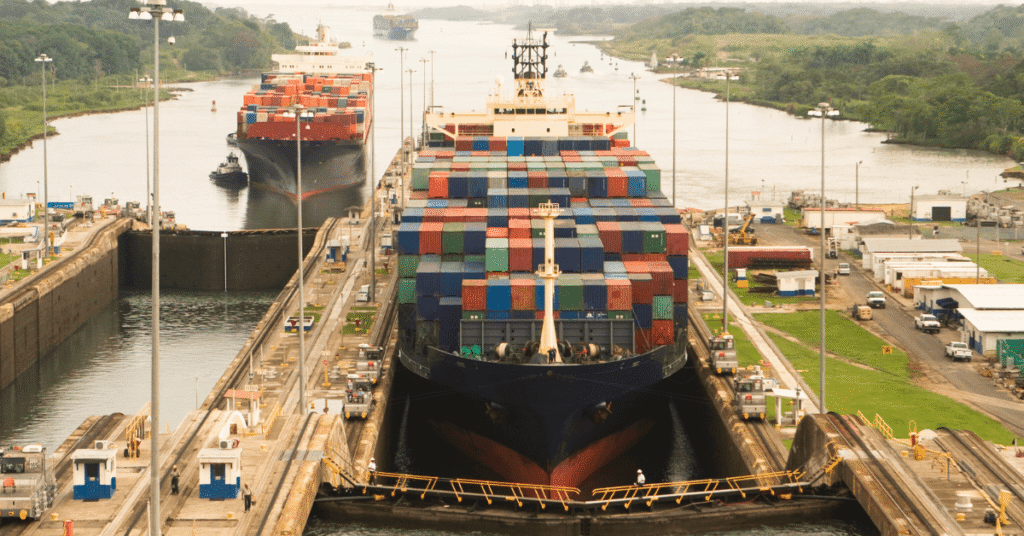
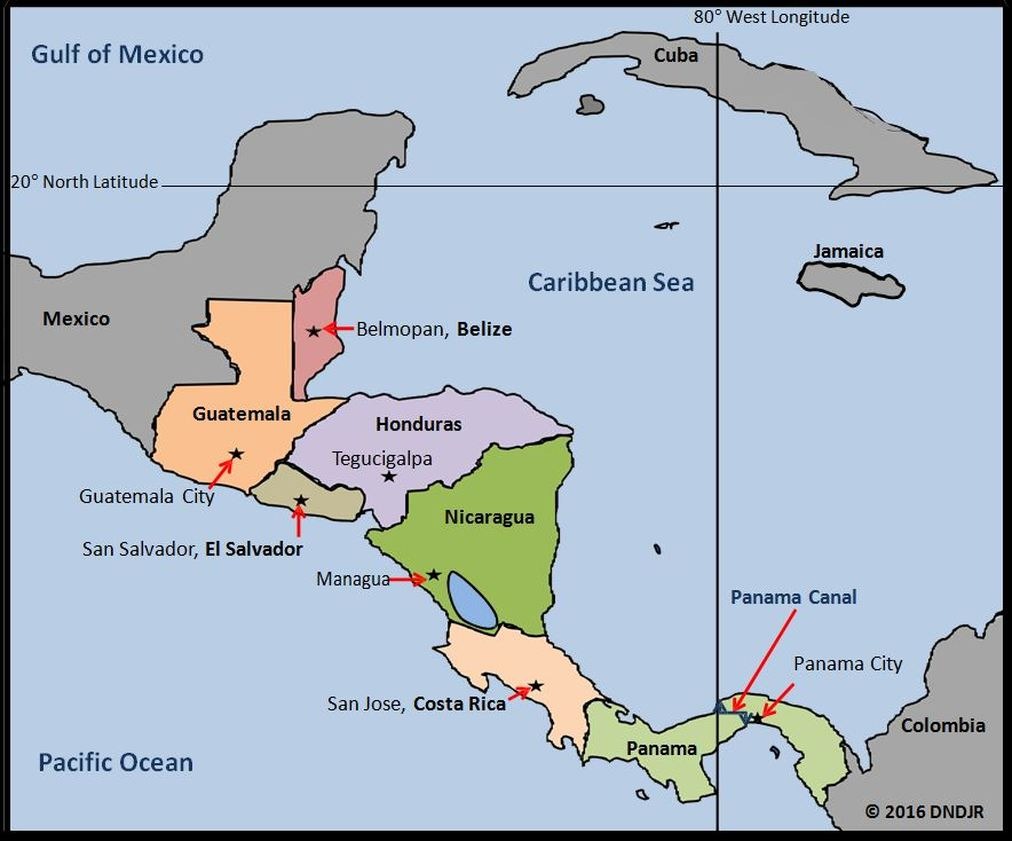
- 2025 saw record container ship traffic through the canal — especially Neo-Panamax vessels. In the first five months alone, over 1,200 container-ship transits were recorded each way.
- The managing authority launched a new 2025–2035 strategic plan. A key part: developing a new container terminal at Corozal to transform Panama from transit waterway into a full-fledged logistics hub.
- That shift could change global container flows, affecting container demand, repositioning, and timing.
Implications for container users: With enhanced container-handling capacity, Panama may become a stronger node for trans-Atlantic/ Pacific cargo flows — potentially easing container shortages and improving repositioning options, especially for those importing or exporting between Europe/Americas and Asia.
Rethinking Canal Dependence — Alternative Routes and Route Risk
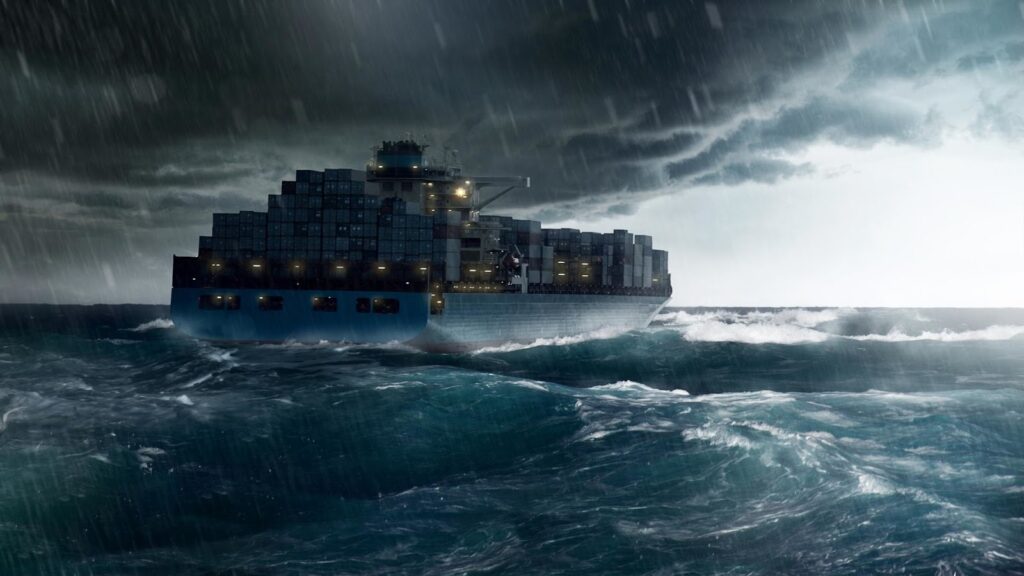
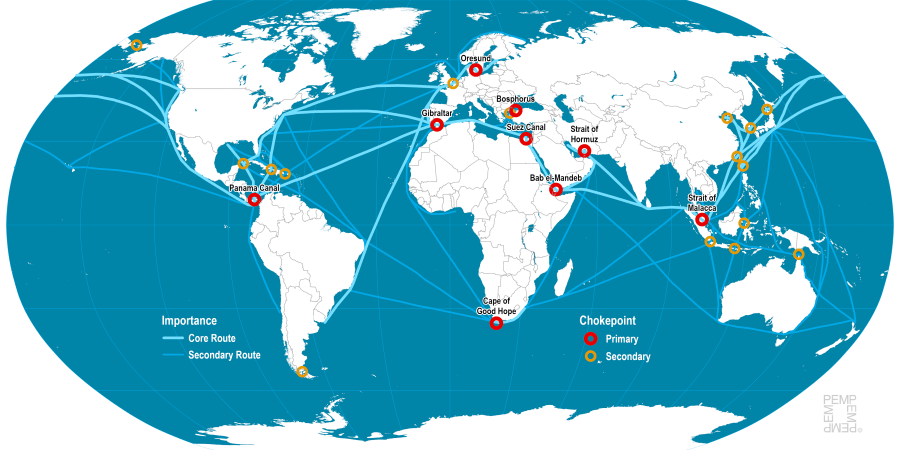
- A major trade-route revival: some shipping lines have begun returning to the Suez Canal corridor — albeit cautiously — after years of detours via the Cape route following Red Sea instability.
- That return opens capacity, reduces transit times compared to Cape-of-Good-Hope reroutes, and may relieve the ripple-effect of long detours.
Why this matters: Route stability and diversification can reduce freight-rate volatility — a benefit for container buyers, renters, and logistics planners who depend on predictable delivery windows.
Other Proposed Routes: Long Shots with Big Potential
Waterway E40 — Baltic to Black Sea (Europe)
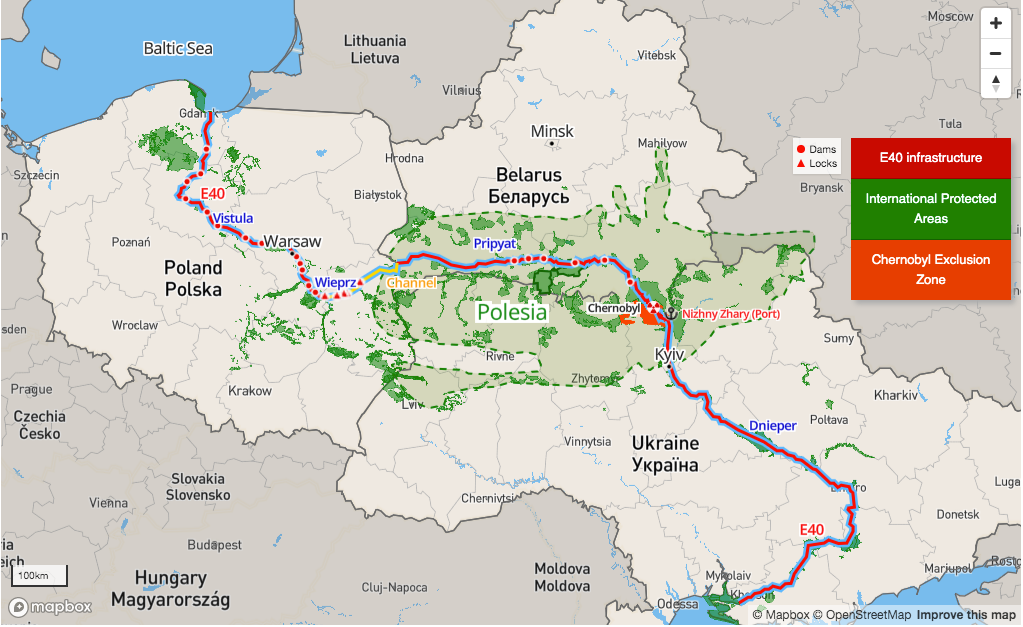
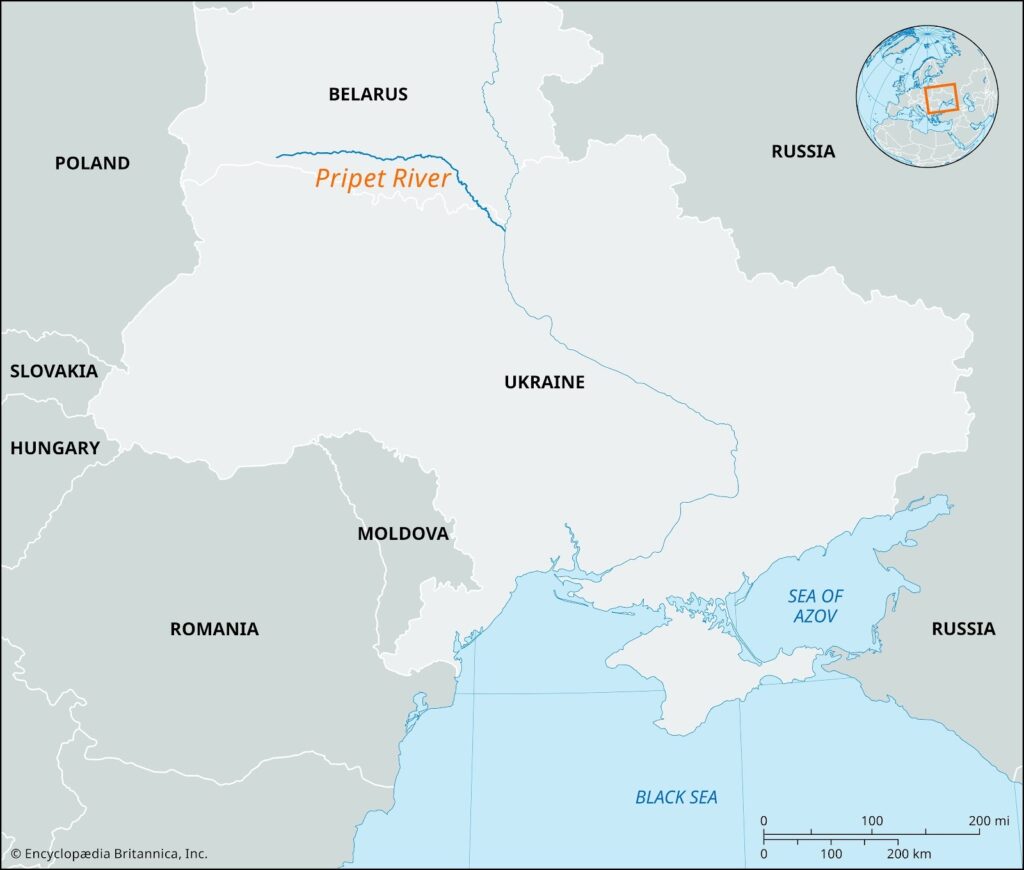
- E40 is a long-proposed inland waterway linking the Baltic Sea (Poland) with the Black Sea (Ukraine) — cutting across rivers and inland waterways including the Pripyat and Dnieper.
- The concept has seen renewed interest as shippers look for resilient European inland-sea corridors — especially valuable while geopolitical instability affects some maritime chokepoints.
If implemented, E40 could offer a lower-cost, lower-carbon alternative for cargo between Eastern Europe and Mediterranean/Black Sea — potentially reducing over-reliance on congested maritime routes.
Why These Route Changes Matter for Containerlift & Global Shippers
1. Container Supply & Flow Will Shift
New routes or canal-hub upgrades (like Panama’s terminal plan) may ease container repositioning — especially bringing “empty” containers to markets that currently struggle with supply shortages.
2. Faster, More Reliable Shipping Spurs Demand
If inland corridors (like Pinglu or E40) or enhanced major canals cut transit times and reduce delays, businesses will likely increase frequency of orders — favouring efficiency, and encouraging use of containers for non-traditional loads (e.g. modular builds, storage, conversions).
3. Greater Route Flexibility = Risk Mitigation
Geopolitics, climate events or chokepoint disruptions become less threatening when there are reliable alternative routes or inland-sea corridors. For UK & European importers/exporters, that means fewer “panic reroutes,” and more stable delivery windows.
4. Opportunity for Container Repurpose & Reuse
Improved container flow could free up surplus units. For companies like Containerlift, that means more availability for storage, site-use, or conversions — potentially at better rates.
But It’s Not All Smooth Sailing — Key Risks & Uncertainties
- Many proposed routes (e.g. Waterway E40) are still at early planning — there’s no guarantee they’ll finish. Political, environmental, and funding hurdles may stall or cancel them.
- Canal upgrades and new waterways change flows, but might also shift bottlenecks. For instance: a bottleneck might move from sea-route to inland-terminal capacity.
- Environmental and regulatory scrutiny is increasing globally. New canals or inland routes must balance economic benefit with ecosystem impact and water-management constraints (as seen with other historical canal projects).
- For long-haul container freight, shipping lines may stick to established, proven routes — especially where insurance, reliability and port infrastructure already exist.
🔭 What to Watch in 2026 & Beyond
- Completion of major inland-to-sea canals (like Pinglu) and their early cargo flows
- Whether Panama’s Corozal terminal becomes operational — and how it shifts shipping volumes & container repositioning
- Renewed political or environmental support (or opposition) for European inland-waterway ambitions such as Waterway E40
- Shipping lines’ reactions to route instability: will they diversify or stick to traditional corridors?
- Impact on container supply for storage and conversions — will repurposed containers become more available and competitively priced?
Final Word: Routes Are the New Leverage
2025 didn’t just reshuffle the deck — it added a few wild cards. New canals, inland-sea links and hub expansions quietly surfaced as forces that might reshape global shipping flows.
For Containerlift and anyone working with containers or freight, this matters. It’s not just about where a container is today — it’s about where it can be tomorrow.
If you’re planning an import, export, modular-build or container-based storage project, keep your eyes on route developments. Sometimes the smoothest canal isn’t the one you know — it’s the one being built.
🔎 Want help modelling how a new route or canal could impact your next shipment or container purchase? Drop us a line — we’d love to run the logistics for you.

