

Why Self‑Loading Container Transport Is a Game‑Changer
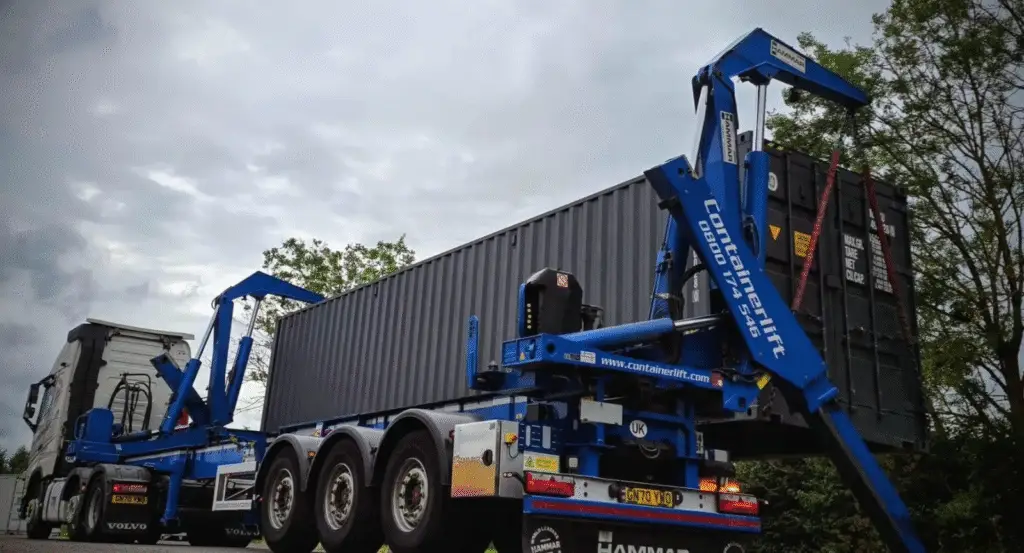
Ever tried to unload a 36-tonne container with nothing but a crane and crossed fingers?
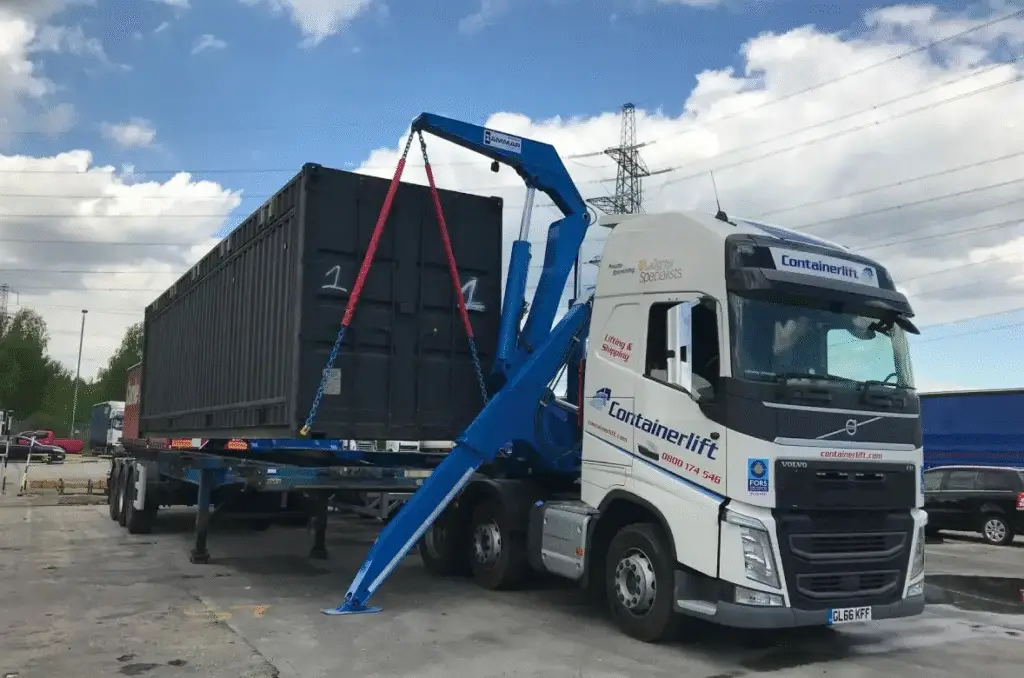
If so, you’ll know it’s not just expensive—it’s an absolute logistical nightmare. Whether you’re on a tight site in central London or setting up a site office in the back end of Belgium, trying to land a steel box safely can feel like playing Jenga with shipping containers. Enter: the self-loading container vehicle. Part crane, part truck, all genius.
At Containerlift, we’ve taken container transport and added a bit of brainpower. With our fleet of specialist sidelifter vehicles operating across the UK and Europe, we can lift, move, and set down shipping containers exactly where you want them—no external lifting gear required.
AI Container Routing & Fleet Efficiency

For decades, container logistics has been powered by experience, instinct, and a healthy amount of controlled chaos. Drivers knew the shortcuts. Planners relied on spreadsheets. Phones rang constantly. And somewhere between Felixstowe and the M25, the best-laid plans unravelled thanks to roadworks, weather, or a driver running out of hours.
Now? Artificial intelligence is stepping into the cab.
Container Delivery Insurance Explained: Who’s Responsible for What?
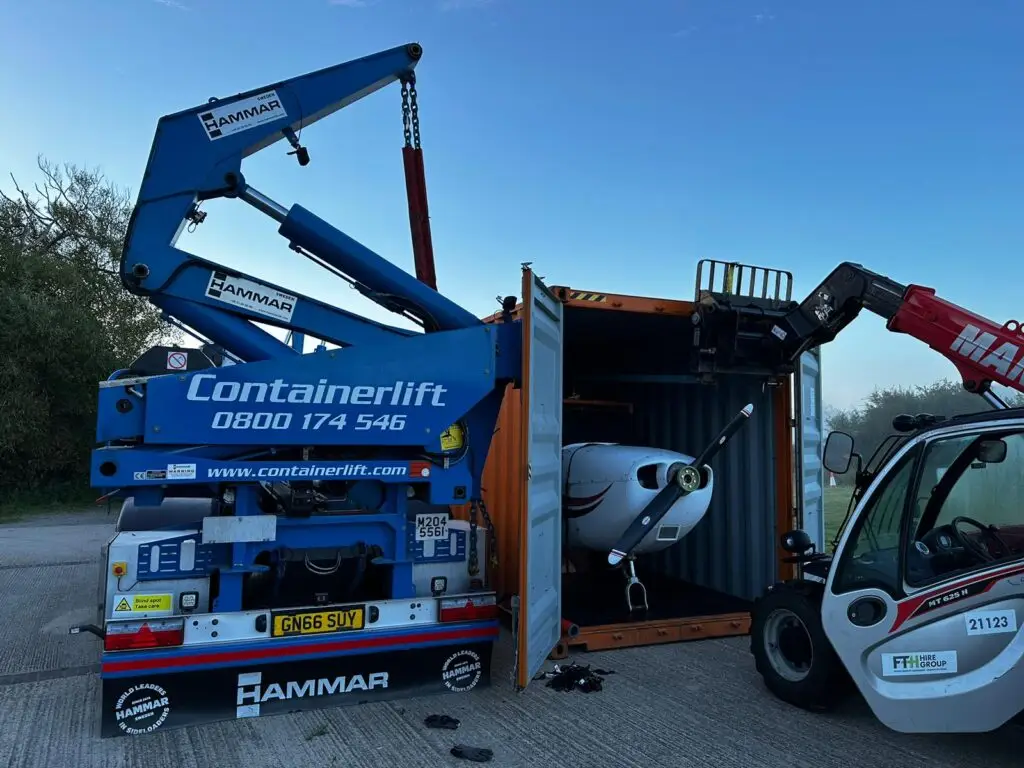
When your container is rolling down the motorway or being lowered onto your site, who’s actually responsible if something goes wrong?
It’s a question most people don’t ask until they absolutely need to.
Container delivery insurance isn’t the most glamorous topic in logistics. No one gets excited about policy wording. But when you’re moving steel boxes worth thousands of pounds – often filled with equipment, stock or high-value goods – knowing who carries the risk at each stage is essential.
At Containerlift, we move containers across the UK and Europe every week using specialist sidelifter lorries. We’ve seen pristine deliveries, tight sites, complex lifts, and the occasional curveball. The difference between a smooth claim and a financial headache? Understanding responsibility before the wheels start turning.
What Makes a Good Container Delivery Site?
You’ve ordered your container. You’ve cleared a space. You’re ready.
But here’s the question that separates a smooth delivery from a stressful one:
Is your site genuinely ready for a container delivery lorry?
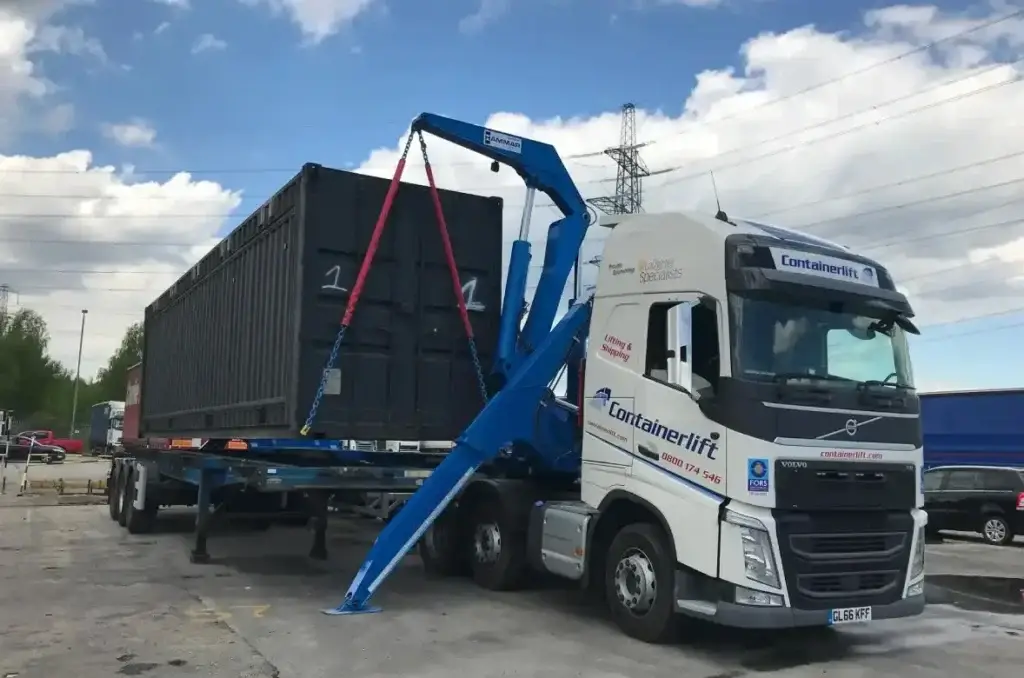
Because delivery isn’t just about dropping a metal box off the back of a truck. It’s about access, positioning, ground stability, and having the right equipment — especially if you’re using a sidelifter lorry.
If you’re buying or hiring from Containerlift, here’s exactly what makes a good container delivery site — and why a sidelifter makes all the difference.
HGV Class 1 Drivers: Is This The Best Shift You’ve Never Considered?
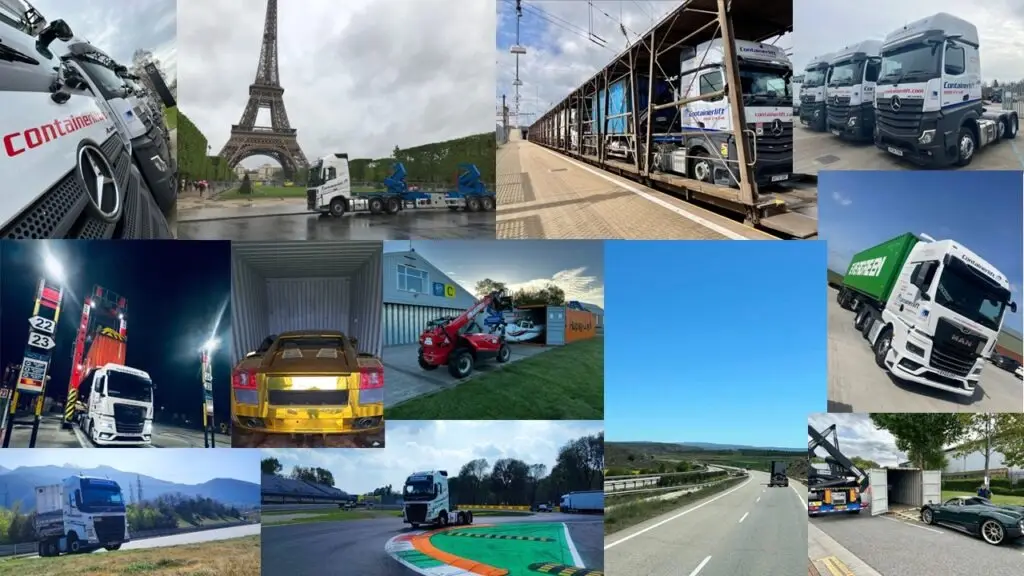
Why would a seasoned Class 1 driver actually want to work for a company like this — and make more money with fewer headaches?
Container Flooring, Insulation & HVAC Tips

If you’re converting a shipping container into an office, workshop, retail space, plant room, or secure storage unit, the three things that will determine whether it’s brilliant or unbearable are:
Flooring
Insulation
HVAC (heating, ventilation and air conditioning)
UK Weight Regulations for HGVs: What You Must Know
Are you absolutely certain your lorry is legal on UK roads – or are you gambling with fines, points, and a parked-up truck? UK Weight Regulations for HGVs: If you operate HGVs in the UK, weight regulations aren’t a suggestion. They’re not “guidelines”. They’re not something you sort out after you’ve loaded it and hoped […]
GlobaShipping Routes in Flux: What Route Developments Mean for Global Freight & Container Logistics

Can new canals and alternative routes really reshape global shipping — and your container supply chain? Global Shipping Routes in Flux: For decades global maritime trade has revolved around a handful of key chokepoints and canals. Think Panama Canal, Suez Canal, the Cape-of-Good-Hope route, etc. But 2025 is showing that pressure — from capacity, climate, […]
Most Lost Shipping Containers Off Sussex Coast ‘Recovered or Believed to Have Sunk’, Says Coastguard

The majority of shipping containers that went overboard off the south-coast in recent months are now believed to have been either recovered from the sea or sunk close to the point of loss, according to the Maritime and Coastguard Agency (MCA). In total, around 40 containers have fallen from three separate vessels during stormy weather […]
The Hidden Container Transport Costs

What Clients Often Overlook & how Containerlift can help you avoid this Think shipping a container is just about the price on the quote? Think again. Container Transport Costs: When most people plan container transport, they focus on the headline cost — the flatbed or sidelifter fee, a delivery fee, maybe port charges. But what […]

