

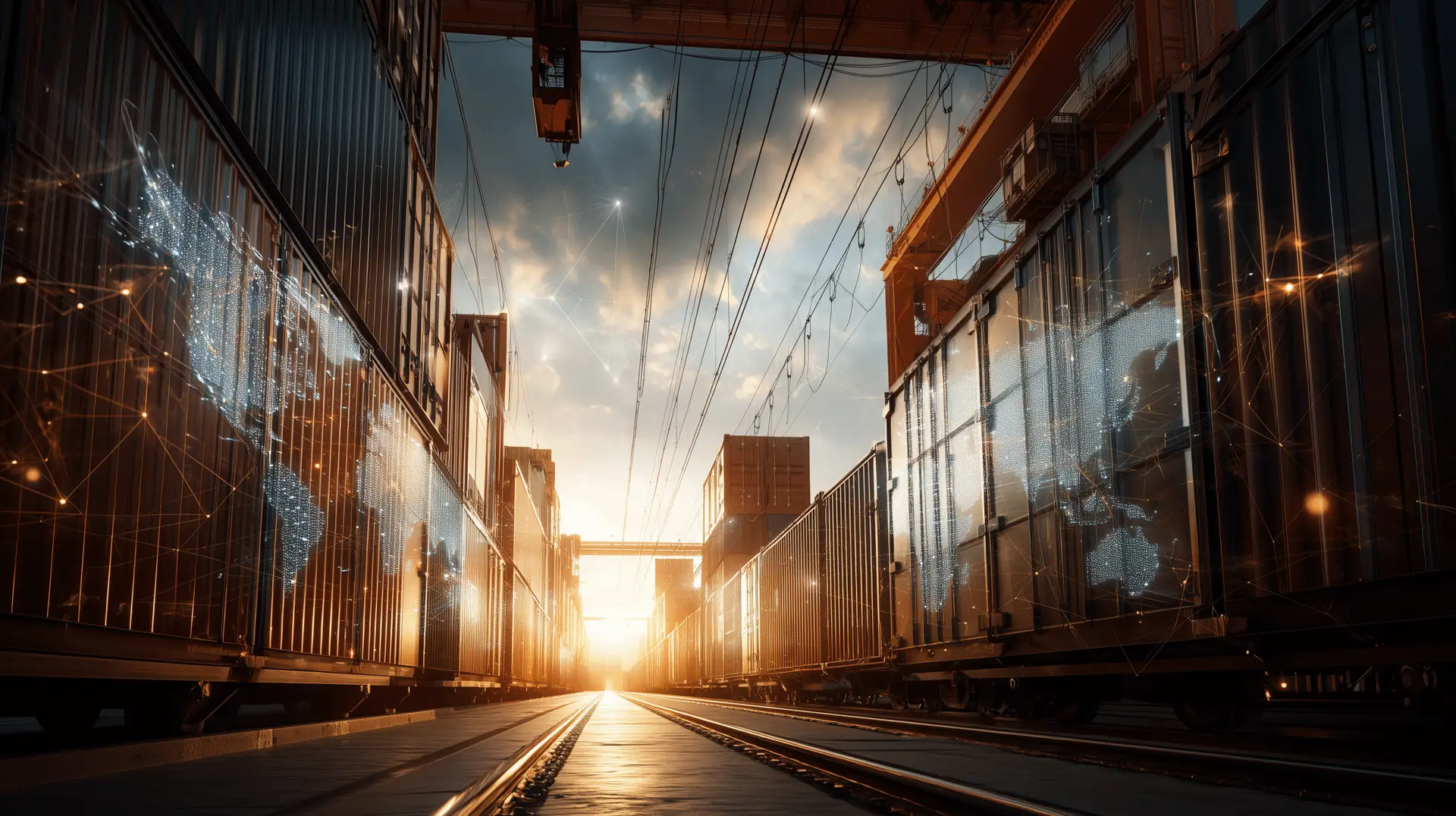
Are we finally at the point where container routing is smarter than the traffic it’s stuck in?
For decades, container logistics has been powered by experience, instinct, and a healthy amount of controlled chaos. Drivers knew the shortcuts. Planners relied on spreadsheets. Phones rang constantly. And somewhere between Felixstowe and the M25, the best-laid plans unravelled thanks to roadworks, weather, or a driver running out of hours.
Now? Artificial intelligence is stepping into the cab.
AI Container Routing: AI is no longer some Silicon Valley buzzword floating around tech conferences. It’s actively reshaping container routing, fleet efficiency, fuel consumption, delivery windows, and driver utilisation across the UK and Europe. For businesses like Containerlift, operating specialist self-loading sidelifter lorries across varied terrain and tight-access sites, AI isn’t about replacing people — it’s about making smarter decisions faster.
In a sector where margins are tight, fuel is volatile, compliance is complex, and clients demand precision, intelligent routing systems are transforming the way containers move from port to site.
This article explores how AI is changing container routing and fleet efficiency, what it means for UK logistics, and how forward-thinking operators are gaining a competitive edge by combining technology with real-world experience.
The Old Way: Reactive, Manual, and Costly
Before AI-driven optimisation, routing typically relied on:
- Static sat nav systems
- Manual route planning
- Historical experience
- Phone-based coordination
- Basic fleet tracking
While these methods worked, they had limitations:
- Traffic conditions changed after departure
- Fuel consumption wasn’t optimised
- Driver hours weren’t dynamically calculated
- Site access constraints weren’t digitally mapped
- Unexpected delays created knock-on inefficiencies
In container transport, particularly with specialist equipment like sidelifters, inefficiency compounds quickly. One delayed drop can affect:
- The next collection
- Driver hours compliance
- Yard scheduling
- Customer expectations
- Fuel usage
- Revenue per vehicle per day
Multiply that across a fleet, and small inefficiencies become serious operational costs.
What AI Actually Means in Container Logistics
When we talk about AI in routing and fleet efficiency, we’re not talking about robots driving lorries (not yet).
We’re talking about:
- Predictive route optimisation
- Real-time traffic learning
- Machine learning from historical journey data
- Automated scheduling adjustments
- Predictive maintenance alerts
- Fuel optimisation modelling
- Behavioural driver analytics
AI systems analyse thousands of variables simultaneously, including:
- Live traffic data
- Road closures
- Weather patterns
- Driver tachograph limits
- Vehicle weight and load distribution
- Customer time windows
- Yard congestion
- Historic delivery times
The system then suggests the most efficient plan — and adjusts it dynamically as conditions change.
Smarter Container Routing: Beyond Sat Nav
Traditional sat nav chooses the fastest route at a given moment.
AI routing platforms go further:
1. Predictive Traffic Modelling
AI uses historical congestion patterns. For example:
- The M25 at 4pm on a Thursday
- Port congestion trends after vessel arrivals
- Seasonal traffic near construction sites
Instead of reacting to traffic, AI predicts it.
2. Time-Window Optimisation
If a customer has a 2-hour delivery window, AI calculates:
- Ideal departure time
- Buffer zones
- Risk probabilities
- Alternative drop sequencing
For Containerlift, where precision delivery with a sidelifter matters, accurate arrival timing reduces waiting charges and increases vehicle utilisation.
3. Multi-Drop Intelligence
Rather than simply stacking jobs in order, AI calculates the most profitable and efficient job sequence.
It balances:
- Distance
- Fuel cost
- Time
- Revenue
- Driver hours remaining
The result? More productive fleet days.
Fleet Efficiency: Where AI Makes Serious Impact
Routing is only half the story.
Fleet efficiency is where AI really transforms container operations.
Fuel Optimisation
Fuel remains one of the biggest costs in container haulage, AI systems:
- Analyse driver acceleration patterns
- Identify inefficient idling
- Suggest optimal cruising speeds
- Recommend alternative routes to reduce stop-start traffic
Even a 5% reduction in fuel usage across a fleet significantly improves margins.
Driver Performance Insights
AI-driven telematics monitor:
- Harsh braking
- Gear efficiency
- Idling time
- Route deviations
- Compliance risks
This isn’t about policing drivers — it’s about:
- Improving safety
- Reducing wear and tear
- Lowering insurance costs
- Protecting vehicles
Experienced drivers combined with intelligent feedback create safer, more efficient operations.
Predictive Maintenance
Unexpected breakdowns destroy schedules.
AI can detect:
- Engine fault patterns
- Brake wear anomalies
- Suspension stress trends
- Tyre pressure irregularities
Instead of reacting to breakdowns, operators schedule preventative maintenance before failure occurs.
That means fewer roadside delays and better customer reliability.
AI and Sidelifter Operations
Containerlift have access to specialist self-loading sidelifter lorries. These vehicles add another layer of complexity:
- Weight distribution considerations
- Stabiliser ground requirements
- Site clearance needs
- Safe lift angles
- Uneven ground risks
AI routing systems integrated with site-data mapping can help:
- Identify restricted access roads
- Flag narrow urban streets
- Detect low bridges
- Predict ground suitability based on geodata
This improves safety and reduces risk on delivery.
Data Is the New Diesel
The more data an AI system collects, the smarter it becomes.
Over time, systems learn:
- Which routes consistently underperform
- Which customers cause delays
- Which times of day create bottlenecks
- Which drivers achieve best fuel efficiency
- Which vehicles perform optimally under load
This long-term intelligence builds operational advantage.
Operators who embrace data-driven logistics will outperform competitors still relying solely on instinct.
Case Study: AI Routing in Action
Improving Fleet Efficiency for a UK Container Operator
A UK-based container transport company operating 18 vehicles implemented AI-driven route optimisation and telematics analytics over a 12-month period.
Before implementation:
- Average fuel consumption per vehicle: High
- On-time delivery rate: 87%
- Reactive maintenance incidents: Frequent
- Manual planning time per day: 3+ hours
After AI integration:
- Fuel costs reduced by 8%
- On-time deliveries increased to 96%
- Breakdown incidents reduced by 22%
- Planner workload reduced by 40%
The biggest shift wasn’t just cost reduction — it was predictability.
Clients gained confidence in accurate delivery windows. Drivers experienced clearer scheduling. Management gained visibility into performance trends.
AI didn’t replace planners — it empowered them.
The Competitive Advantage for Containerlift
AI in container routing isn’t about automation replacing people.
It’s about:
- Smarter planning
- Reduced fuel waste
- Improved driver safety
- Higher on-time performance
- Better asset utilisation
- Lower maintenance surprises
In a sector where reputation is built on reliability, small efficiency gains create major differentiation.
Clients want:
- Accurate ETAs
- Fewer delays
- Professional execution
- Clear communication
AI supports those outcomes behind the scenes.
The Human + AI Model
The future of container logistics isn’t robotic fleets.
It’s experienced operators using intelligent systems to:
- Plan smarter
- Adapt faster
- Operate leaner
- Scale sustainably
Technology enhances expertise. It doesn’t replace it.
As container volumes grow, compliance tightens, and customers demand precision, AI becomes less of a luxury and more of a necessity.
Featured Quote
“In modern logistics, efficiency isn’t about driving faster — it’s about planning smarter. AI gives operators the visibility and foresight that instinct alone can’t provide.”
Conclusion: Smarter Roads Ahead
AI is changing container routing and fleet efficiency in measurable, practical ways.
From predictive traffic modelling to fuel optimisation and sidelifter site analysis, intelligent systems are helping operators reduce cost, improve reliability, and increase fleet productivity.
For Containerlift, embracing technology while maintaining hands-on expertise ensures continued leadership in specialist container transport.
The future of logistics isn’t louder engines.
It’s smarter decisions.
If you need reliable, efficient container delivery powered by experience and smart logistics, speak to Containerlift today. Our specialist sidelifter fleet is ready to move your container safely and efficiently across the UK and Europe.

