

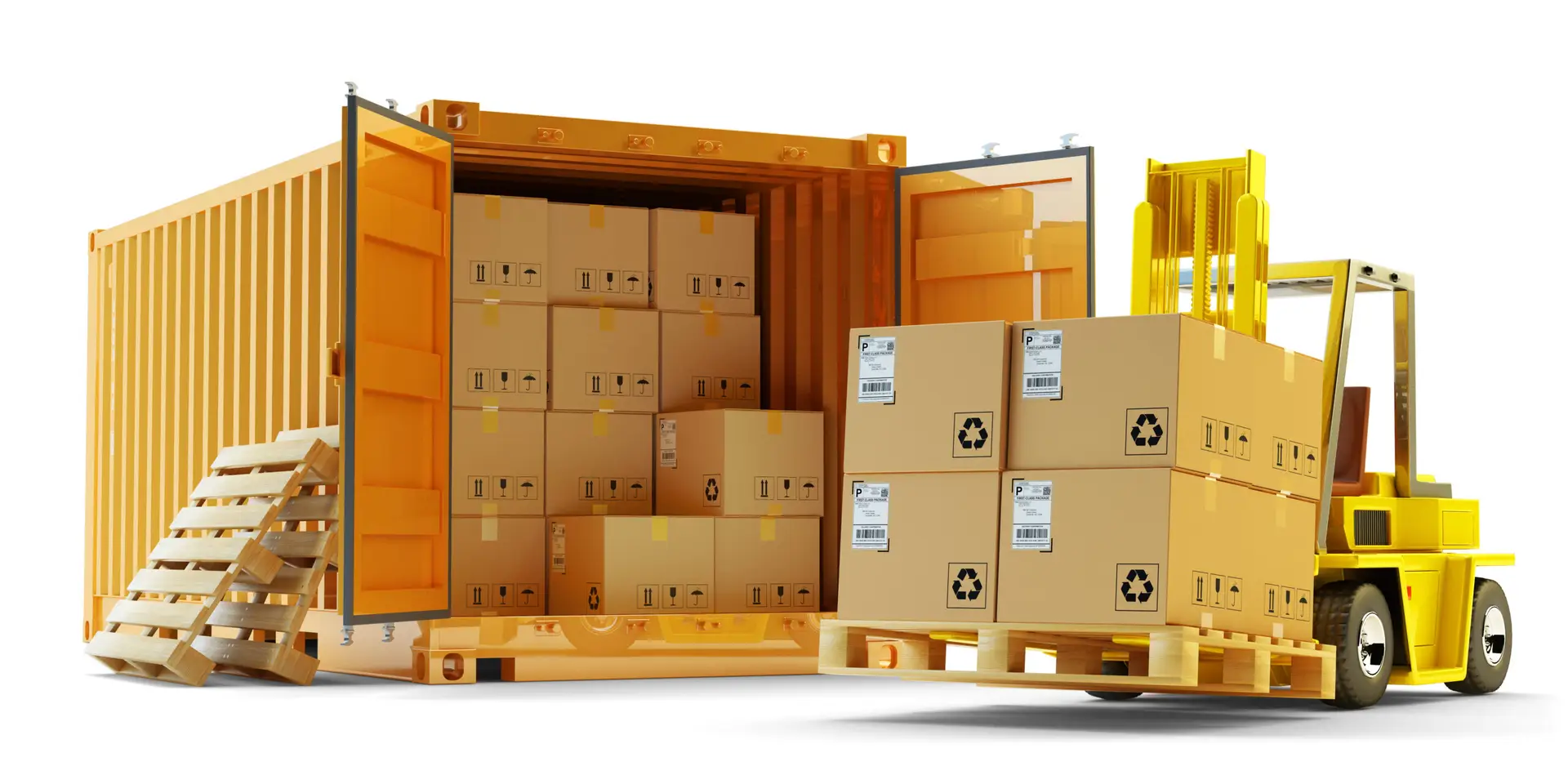
Choosing the right shipping container size sounds simple… until you’re staring at a driveway that’s too tight and a 40ft unit that suddenly looks like an aircraft carrier.
What size shipping container?
Get it right and you’ve saved money, space, and hassle.
Get it wrong and you’ve bought a very expensive metal regret.
Let’s make sure that doesn’t happen.
First Things First — What Are the Standard Container Sizes?
There are three industry-standard sizes you’ll see across the UK:
- 20ft container
- 40ft container
- 45ft high cube container
Here’s what they actually look like in the real world.
20ft Container
External: 6.06m x 2.44m x 2.59m
Internal: 5.9m x 2.35m x 2.39m
Capacity: ~33m³
The workhorse. The classic. The “I just need storage” option.
📌 Pro tip: Always check internal dimensions if you’re using racking, machinery, or furniture. A few centimetres matter more than you think.
40ft Container
External: 12.19m x 2.44m x 2.59m
Internal: 12m x 2.35m x 2.39m
Capacity: ~67m³
Twice the length. Double the space.
Not double the price.
45ft High Cube Container
External: 13.7m x 2.44m x 2.89m
Internal: 13.5m x 2.35m x 2.69m
Capacity: ~86m³
Longer. Taller. Built for serious volume.
20ft Containers – The Most Popular and Versatile
The 20ft container is the bread and butter of the container world.
If you’re unsure, this is usually where you start.
Ideal For:
- Garden and garage overflow
- Tool and plant storage
- Small business stock
- Short-term site offices
- House moves
Why People Choose It:
- Lower transport costs
- Easier access in tight spaces
- Strong resale value
- Quick delivery using self-loading side loader vehicles
What To Watch:
- Limited space for pallet racking
- Can feel tight for growing businesses
If access is restricted or you’re working with a domestic driveway, a 20ft container is often the sweet spot.
40ft Containers – Best for Long-Term or Large Volume Storage
If you’re storing serious stock, don’t squeeze it into a 20ft just to save a few quid.
The 40ft container offers significantly better value per square metre.
Ideal For:
- Builders’ merchants
- E-commerce stock holding
- Equipment suppliers
- Archive storage
- Container conversions
Why It Makes Sense:
- Excellent space-to-price ratio
- Works perfectly with shelving and pallet racking
- Widely available in one-trip (nearly new) condition
Considerations:
- Needs more site clearance
- Not ideal for narrow residential access
- Check load weight if storing heavy machinery
Businesses often start with a 20ft… then upgrade six months later.
If you’re expanding, the 40ft might save you doing it twice.
45ft High Cube – When Volume Really Matters
This isn’t for everyone.
But if cubic metres matter more than footprint, the 45ft high cube delivers.
Ideal For:
- Temporary warehousing
- Large event logistics
- Modular office builds
- Tall shelving systems
- Overspill commercial storage
Why It’s Powerful:
- Maximum internal volume
- Extra height for fit-outs
- Efficient for bulk operations
Real-World Consideration:
Delivery requires specialist vehicles and proper clearance. Not every site is suitable — but with self-loading side loader trucks, precise placement is possible even on challenging sites.
Modified Containers – Think Beyond Storage
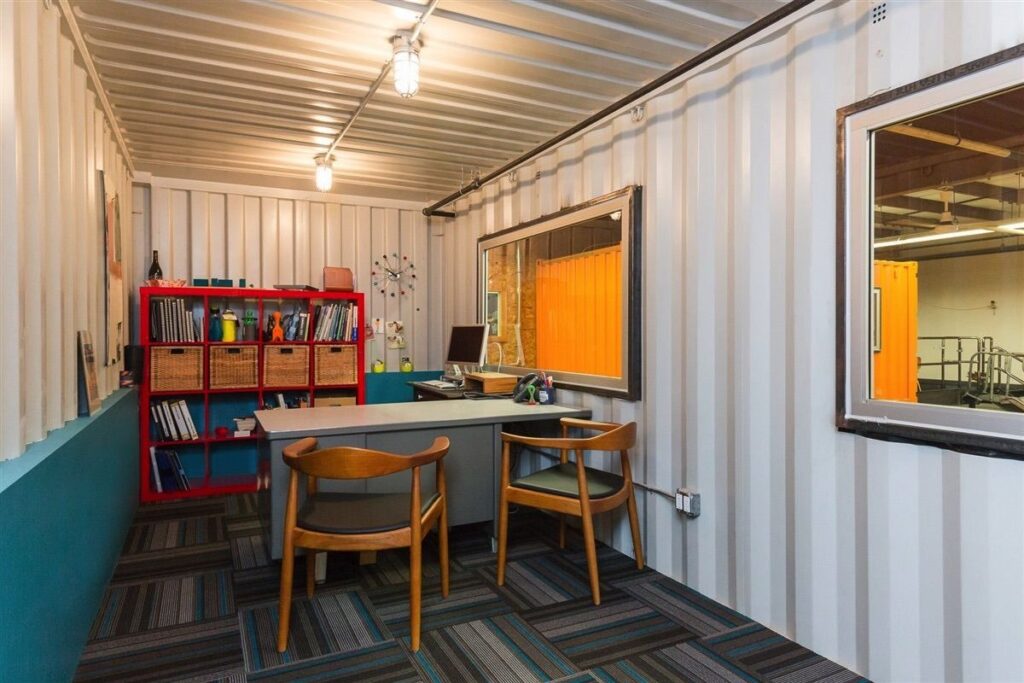
Containers aren’t just metal boxes anymore.
They’re:
- Offices
- Canteens
- Toilets and welfare units
- Workshops
- Showrooms
- Pop-up shops
Common Modifications:
- Doors and windows
- Internal partitions
- Lighting and electrics
- Insulation and heating
- Shelving systems
- Security upgrades
Choosing the right size becomes even more important when you’re fitting it out. Insulation and walls reduce internal space — something many buyers overlook.
Don’t Forget Site Access
You can buy the perfect container size — and still fail the delivery test.
Before you order, check:
Access Checklist:
- Entrance width
- Overhead cables
- Tree branches
- Turning space
- Ground stability
A container that “should fit” doesn’t count. It has to physically land on your site.
Professional suppliers can perform a pre-delivery access survey and use self-loading vehicles to place the container without cranes or extra labour.
The Containerlift Advantage
Across the UK and Europe, businesses choose Containerlift because:
- All standard container sizes stocked
- Modified units available
- Self-loading vehicles for flexible delivery
- Nationwide coverage
- Straightforward, honest advice
No jargon. No drama. Just the right container, in the right place, first time.
Case Study: Right-Size Success for an Events Company
A Yorkshire-based touring event logistics firm needed multiple container units for equipment, merchandise, and staff facilities across several festival locations.
The challenge?
Every site had different space constraints, access routes, and clearance issues.
The Approach:
- Detailed consultation to calculate packing volume
- Mix of 20ft, 40ft and 45ft high cube containers
- Phased delivery over four weeks
- Self-loading placement at tight-access sites
The Result:
- No cranes required
- No unnecessary oversizing
- No missed event deadlines
- Significant savings on transport and labour
Client feedback:
“Trying to do this with flatbeds would have been a nightmare. Containerlift made the whole operation slick. The team even helped size our containers based on packing volume — total lifesavers.”
They now use Containerlift exclusively for seasonal festivals.
Final Thoughts
Choosing the right shipping container size isn’t about guessing.
It’s about:
- Volume
- Access
- Budget
- Duration
- Future growth
Get those right and your container works for you.
Get them wrong and you’re paying for empty space… or running out of it.
Not sure what size container you need?
Speak to our expert team for straight advice, accurate sizing, and flexible delivery across the UK and Europe.
📞 Call today or request a callback.
Let’s get the right container on your site — first time.

