

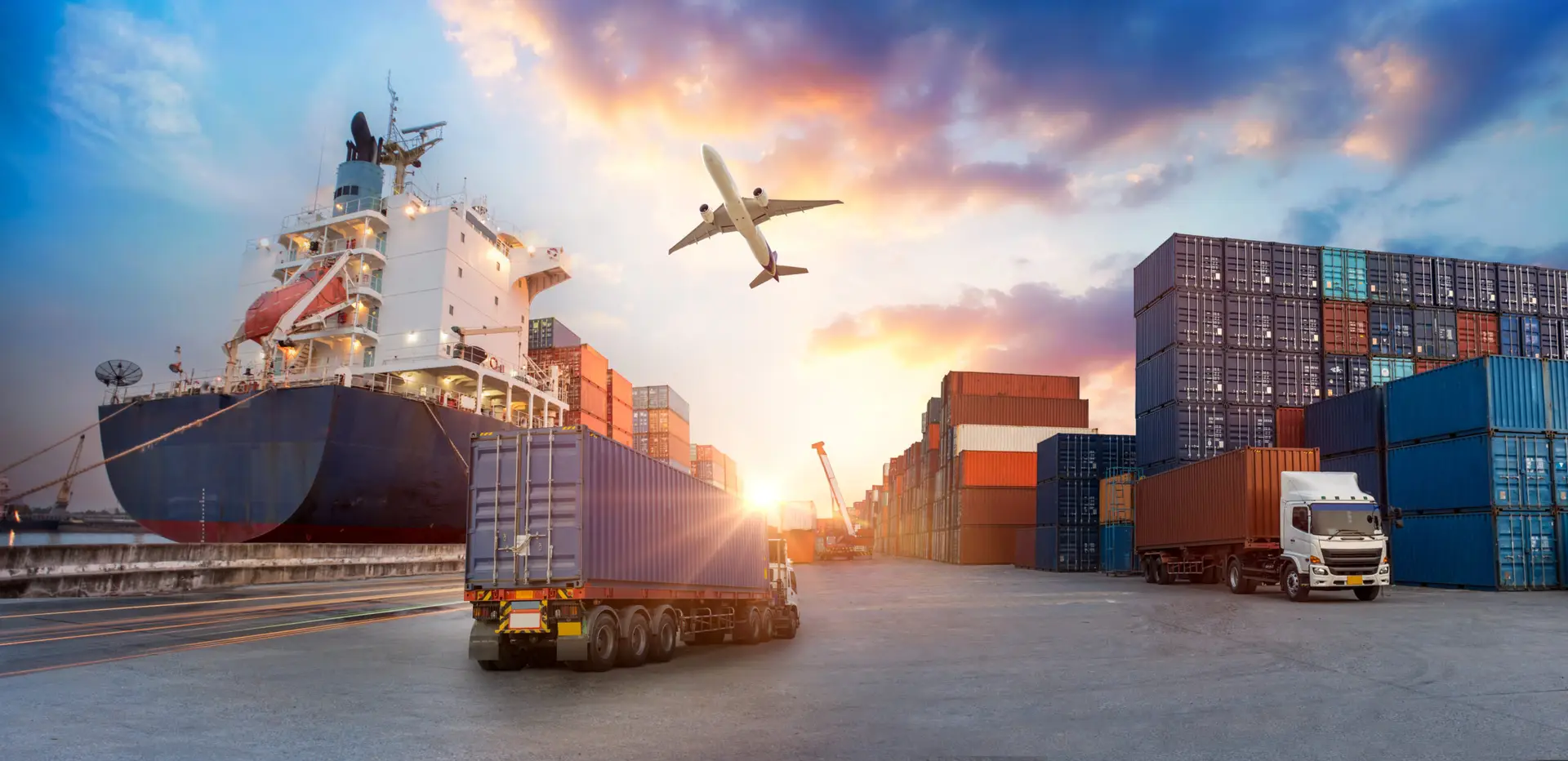
Is Freight Forwarding the Unsung Hero of Global Trade?
International trade is a cornerstone of the modern economy, and behind every successful transaction lies a meticulous process ensuring goods reach their destination efficiently and safely. Freight forwarding, often working quietly in the background, is the glue binding this intricate web. But what makes freight forwarding indispensable?
Whether you’re a business owner delving into international markets, a logistics enthusiast, or someone curious about the mechanics of global trade, this guide uncovers the nuts and bolts of freight forwarding, shedding light on its critical role in the supply chain.
What is Freight Forwarding?
Freight forwarding is the logistical lifeblood of global trade, managing the end-to-end transportation of goods on behalf of importers and exporters. These experts coordinate everything from customs clearance to packing and documentation.
Think of freight forwarders as orchestrators in the symphony of global commerce. They liaise with customs officials, shipping companies, and other stakeholders, ensuring your cargo navigates smoothly through the labyrinth of international regulations.
Customs and Border Controls: A Critical Challenge
One of the freight forwarder’s primary tasks is managing customs clearance. Whether handling it directly or via specialist brokers, this process involves:
- Managing duties and taxes
- Preparing electronic documentation compatible with customs systems
- Navigating country-specific regulations
This expertise ensures your cargo avoids costly delays at borders.
The Importance of Trade Documentation
Flawless documentation is the backbone of successful shipments. Key documents include:
- Invoices & Packing Lists: Provided by exporters or importers
- Hazardous Goods Declarations: Essential for dangerous items
- Mode-Specific Documents: Such as air waybills or bills of lading
Each document plays a pivotal role in ensuring compliance and avoiding disruptions.
Packing for Export: More Than Meets the Eye
Packing isn’t just about securing goods; it’s about compliance, efficiency, and protection. Freight forwarders ensure:
- Proper handling and security during transit
- Adherence to international regulations, particularly regarding wooden packaging materials
Navigating Dangerous Goods Transport
Shipping hazardous materials demands precision. While shippers classify and document these items, freight forwarders ensure compliance with the intricate rules governing their movement — especially where regulations differ across air, land, and sea.
The Role of the EORI Scheme
The Economic Operator Registration and Identification (EORI) scheme simplifies customs processing, providing faster clearance and reducing bottlenecks. For businesses involved in international shipping, an EORI number is essential.
The Benefits of Using a Freight Forwarding Company
Choosing a freight forwarder unlocks multiple advantages for businesses:
1. Expertise and Experience
Freight forwarders possess unparalleled knowledge of customs, shipping regulations, and documentation — preventing costly mistakes.
2. Cost Efficiency
Through strong carrier relationships and consolidation methods, they reduce shipping costs.
3. Time Savings
Businesses can focus on growth while logistics experts handle the complex stuff.
4. Global Networks
Door-to-door and cross-border delivery becomes seamless with established international partnerships.
5. Customised Solutions
Air, sea, or land — shipping tailored to needs, urgency, and budget.
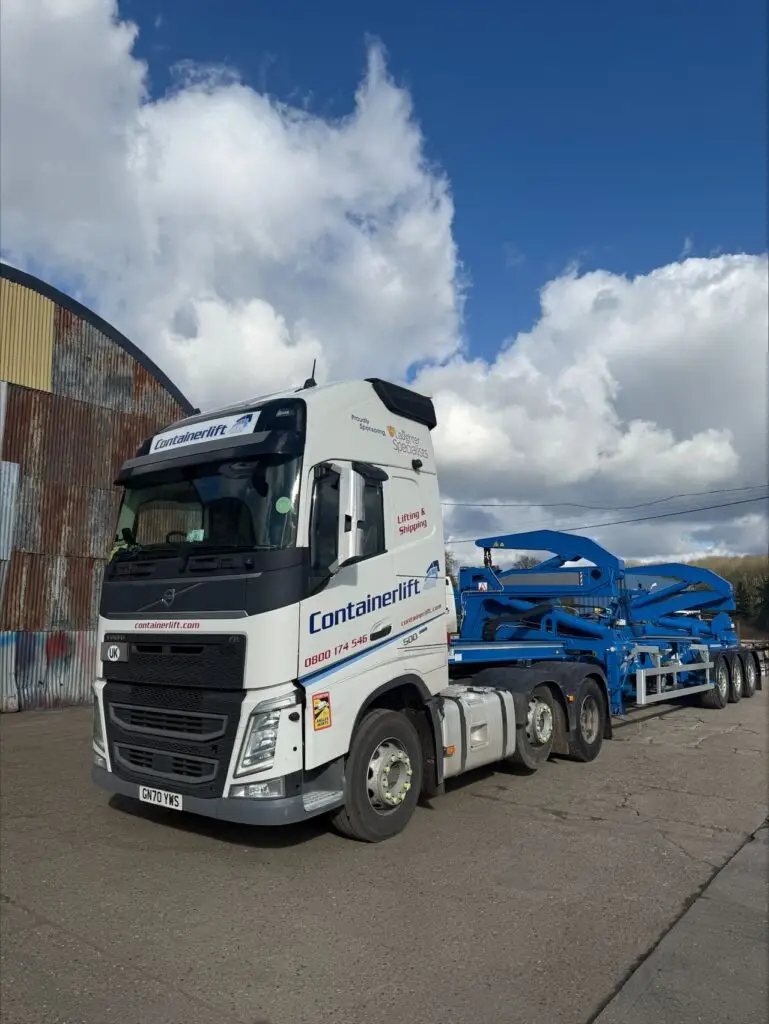
Key Services Offered by Freight Forwarders
- Transportation Management – carrier selection, cargo booking, shipment tracking
- Customs Clearance – full documentation & regulatory compliance
- Warehousing & Storage – inventory management and fulfilment
- Cargo Insurance – mitigating risk of loss or damage
- Risk Management – proactive advice to prevent logistical disruptions
Case Study: How Freight Forwarding Transformed a Small Business
Business: A UK-based furniture exporter
Challenge: High shipping costs and frequent customs delays
Solution: Partnered with a freight forwarder
What changed?
- Documentation expertly handled — delays eliminated
- Consolidated shipping reduced costs by 30%
- Insurance coverage provided peace of mind for high-value items
Result:
Faster delivery, lower costs, and happier global customers.
What to Look Forward to in 2026
The freight forwarding sector is gearing up for significant innovation — the kind that speeds up shipments, reduces emissions, and makes global trade smarter.
1. Sustainable Shipping Takes Centre Stage
- Low-emission fleets
- New environmental compliance standards
- Carbon tracking as a normal requirement
Green logistics becomes a ticket to trade.
2. Fully Digital Customs Processing
- AI-powered accuracy
- Faster border decisions
- Fewer forms, fewer delays
Paperwork bottlenecks? Not invited to 2026.
3. Next-Level Tracking
- Predictive delivery times
- Cargo visibility from factory floor to final delivery
- IoT sensors everywhere
Customers will always know where their goods are — and what condition they’re in.
4. Automation to Meet Rising Demand
- Robotic warehousing
- Connected data systems
- Digital-first freight operations
Efficiency is no longer just desirable — it’s vital.
5. Stronger Global Trade Resilience
- Risk forecasting
- Adaptive routing
- Logistics experts as business continuity partners
Freight forwarders will become strategic advisers — not just service providers.
“Freight forwarders aren’t just part of the supply chain — they are the reason the chain keeps moving.”
Freight forwarding remains the backbone of global trade, simplifying cross-border complexities and ensuring goods arrive safely and on schedule. With 2026 ushering in smarter, greener, more connected logistics, businesses that partner with experienced freight forwarders will be best positioned to expand confidently on the world stage.

