

What Clients Often Overlook & how Containerlift can help you avoid this
Think shipping a container is just about the price on the quote? Think again.
Container Transport Costs: When most people plan container transport, they focus on the headline cost — the flatbed or sidelifter fee, a delivery fee, maybe port charges. But what a lot of businesses forget is all the little extras around the edges. Miss a step or underestimate a requirement, and suddenly your “standard delivery” looks costly.
If you’re importing, relocating, converting, or storing containers through Containerlift, it pays to know what lies beneath the surface, although our team will guide you through the process. Here are the hidden — often overlooked — costs and preparation requirements that can derail container transport or add unexpected expense.
Hidden Costs & Common Pitfalls in Container Transport
1. Site Access and Ground-Condition Preparations
Before a container arrives, you need adequate site access — entrance width, turning space, stable ground, and a solid surface.
- Tight gates, narrow driveways, uneven ground, or soft soil may require groundwork or ground-reinforcement (e.g. sleepers, concrete pads, bearers).
- If the site isn’t prepared in advance, you might need additional lifting gear, temporary road mats or even specialist trailers — which can add time and cost.
These costs are easy to miss when you’re only focused on the delivery price.
2. Permits, Planning & Local Regulations
Many clients don’t anticipate that delivery might trigger local requirements:
- Temporary access permits (especially in urban areas with restricted road access)
- Timing restrictions (some areas restrict heavy-vehicle access at certain times of day)
- Neighbourhood or site-specific regulations (noise, road-use permissions, public-road restrictions)
Failing to check this in advance can lead to failed delivery attempts, cancellations, or additional permit fees.
3. Container Condition & Suitability for Use
Not all containers are equal. A standard used container may be fine for storage — but if you’re converting, insulating, or housing valuable goods:
- You might need a full structural inspection
- Repairs or reinforcement (frame, seals, base) may be required before placement
- A newer or “cargo-worthy” unit might be a safer bet than a long-service, worn container
Overlooking this can mean unexpected repair or refurbishment costs once delivered — or worse: a container unfit for your intended use.
4. Transport Complexity & Handling Requirements
A “simple delivery” may become complex depending on circumstances:
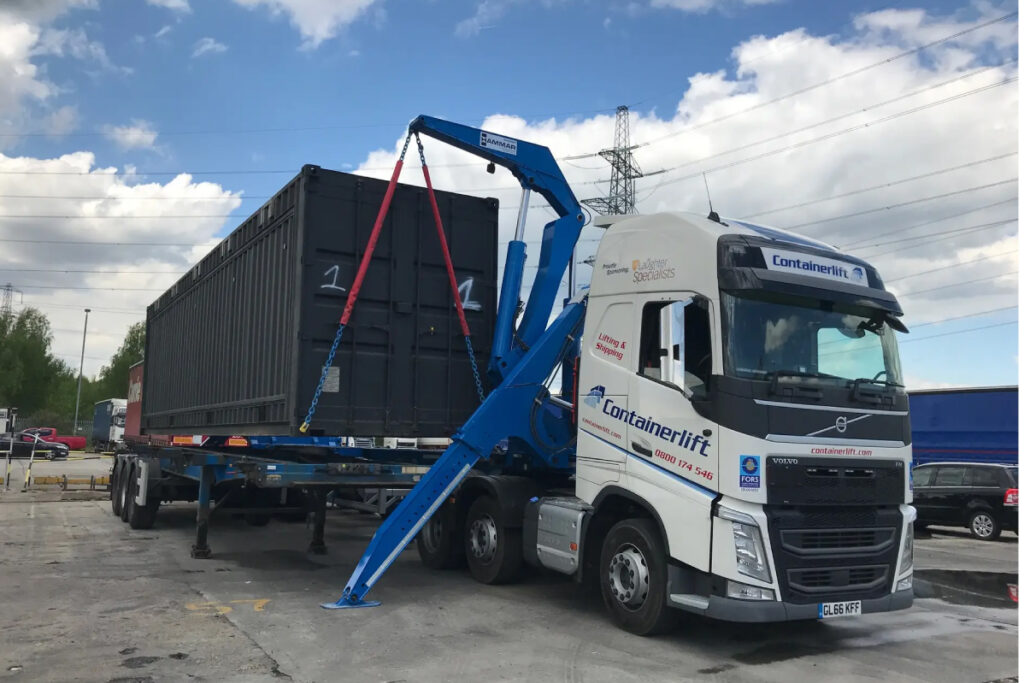
- Oversize containers or modified builds may need specialist trailers or side-loader trucks
- Lack of on-site lifting equipment may require hiring Hiab cranes, manpower, or special deliveries
- Staging, unloading, or placement at awkward angles / tight spaces may take more time and labour
These challenges often push a basic quote into “special-handling” territory.
5. Hidden Fees: Delays, Demurrage, and Scheduling Mistakes
If you’re importing cargo inside containers rather than buying empty boxes, there are risks:
- Delays in customs clearance or port congestion can trigger demurrage or storage fees
- Missed delivery windows or scheduling conflicts (e.g. waiting for a gate slot) may incur extra charges
- Administrative fees, port-side handling, or re-delivery fees if the first attempt fails
Often, clients neglect to budget for these possible extra charges — until the invoice arrives.
6. Insurance, Security & Site Preparation for Long-Term Use
If you plan to use a container as long-term storage, a site office, a workshop, or part of a conversion, then:
- You may need to insure the container contents (not just the container)
- Security (locks, alarms, CCTV) may be a requirement — which adds setup cost
- Regular maintenance (rust treatment, seal checks, floor support) may be necessary to avoid degradation over time
Again — not always visible at first glance.
7. Regulatory Compliance & Paperwork (for Imports/Exports)
Importing goods involves paperwork: import declarations, correct commodity codes (HS codes), customs compliance, possibly licences or certification (especially for restricted or regulated goods).
Errors or omissions in paperwork can lead to delays at port, fines, rejected deliveries — potentially rendering your shipping & container spend pointless.
✅ How to Avoid Hidden Costs — Plan Smart When Bookin
When working with a professional container transport provider (like Containerlift), you avoid many of these pitfalls. Here’s what you should always check and prepare before shipment:
- Confirm site access and ground conditions — measure driveway width, turning circles, ground firmness, and site entry points.
- Check local regulations and permits for heavy-vehicle deliveries or restricted-road access.
- Assess container condition in advance if using for storage, conversion, or long-term use — request condition reports or inspections.
- Use specialist transport methods when needed (sidelifter, low-loader, Hiab) — especially for oversize containers or restricted sites.
- Plan for possible delays and extra charges — customs, demurrage, re-delivery — factor contingency time & budget.
- Arrange insurance & security when storing valuables or long-term storage, and treat the container like a site asset, not a temporary box.
- Ensure all documentation and compliance paperwork for imported goods are in order before container arrival.
How Containerlift Helps You Avoid Hidden Costs
At Containerlift, we understand that container transport isn’t just “pick-up and drop”. We support you through the full process:
- We consult on site-access requirements, ensuring your site is delivery-ready.
- We advise on vehicle type — sidelifter, flatbed, low-loader or Hiab — to match your container, load and site.
- We offer guidance on container suitability, inspections, and refurbishment when required.
- We manage scheduling and compliance, coordinating with port delivery windows, permits, and client access restrictions.
- We help you plan for insurance, security and long-term usage, especially for conversions or storage units.
Want a Clear, Up-Front Quote (Without Surprises)?
Every container transport job is different — so we don’t believe in one-size-fits-all quotes. Get in touch and we’ll walk you through:
- Site-access evaluation
- Container condition & suitability check
- Transport method recommendation
- Risk and compliance review
- Transparent cost breakdown — with all “extras” considered
Contact Containerlift for your tailored transport plan and full breakdown.
Final Thoughts
Container Transport Costs: Container transport might look straightforward on paper, but beneath the surface lie many potential surprises.
By recognising the hidden costs — from ground prep to paperwork — you’re setting yourself up for smooth delivery. With a partner like Containerlift, you get more than a lorry: you get experience, insight, and a delivery you can plan around without worry.
Don’t assume “delivery” means just “drive and drop.” Plan wisely, prepare thoroughly, and treat your container like the heavy, costly, valuable investment it is.
Get in touch — and let’s get your container delivered right, first time.
✅ FAQ’s
Q1: How much does container transport cost in the UK?
It depends on distance, container size, site access and lifting requirements. Each job is unique — contact Containerlift for a tailored quotation.
Q2: What’s the biggest factor affecting container delivery price?
Site access and lifting method. If a standard trailer can’t safely unload, specialist delivery (like a sidelifter or Hiab) may be required.
Q3: Can you deliver a full container directly to my property?
Yes — provided the access is suitable. We can assess turning space, road width and ground surface to ensure safe placement.
Q4: How can I avoid hidden container transport charges?
Plan ahead. Confirm access, ground conditions, permits and customs paperwork to avoid delays, re-deliveries or extra lifting equipment.
Q5: Do you transport modified or converted containers?
Absolutely. We have specialist equipment for out-of-gauge loads and custom builds — just let us know the dimensions and weight.

