

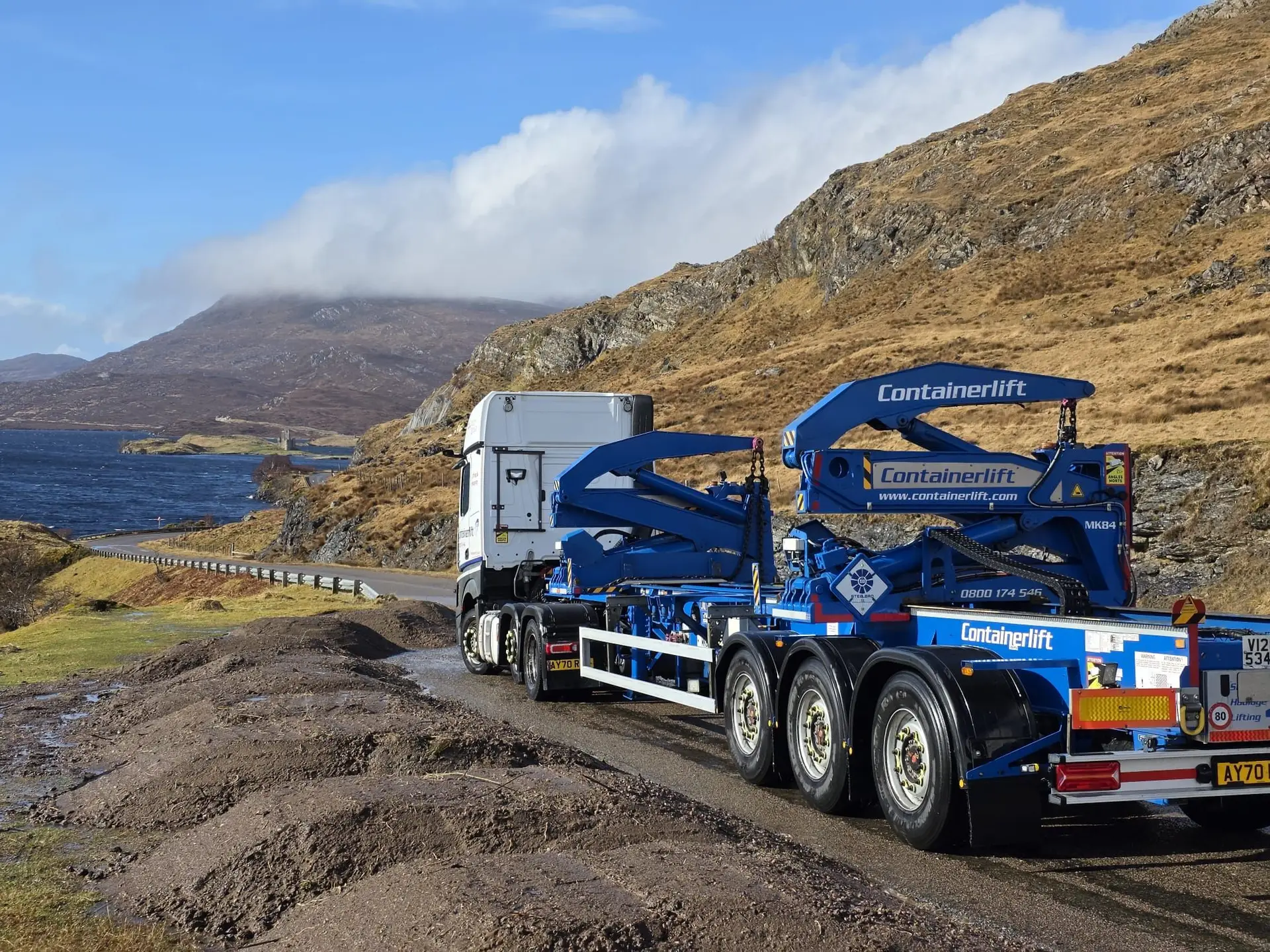
Have you ever wondered what actually happens after a shipping container leaves overseas and starts its journey to the UK?
Importing a shipping container to the UK is not just “buy something, put it on a boat, wave at Felixstowe”. Lovely idea. Completely fictional.
In reality, importing a container involves documentation, customs declarations, port handling, shipping line release, duty, VAT, haulage, site access and, occasionally, a small festival of paperwork. Done properly, it runs smoothly. Done badly, your container sits at port collecting charges while everyone tries to work out who forgot the commercial invoice.
UK importers normally need an EORI number, accurate commodity codes, import paperwork, customs declarations through HMRC’s Customs Declaration Service, and the correct arrangements for duty and VAT. GOV.UK also advises checking whether goods require licences, certificates or special checks before they arrive.
For container imports, timing matters. The vessel arriving does not automatically mean the container is ready to leave port. Customs clearance, terminal availability, shipping line release and payment of charges all need to line up before onward delivery can happen.
Step 1: Decide what you are importing
Before anything moves, we need to know exactly what is inside the container.
That means:
- Product description
- Commodity code
- Country of origin
- Value of goods
- Weight and dimensions
- Packing details
- Any licence or certificate requirements
- Whether the goods are restricted, controlled or subject to checks
This is where many import problems begin. “Machinery parts” is not always good enough. “Mixed goods” is even worse. HMRC, port authorities and customs agents need clear information because the commodity code affects duty, VAT, licences and declarations.
Step 2: Get an EORI number
An EORI number is usually needed by businesses importing goods into the UK. Without it, customs paperwork can grind to a halt, which is not ideal when your container is sitting at port like an expensive metal hostage.
If you are importing commercially, sort this before the goods travel. Leaving it until the vessel arrives is the logistics equivalent of buying hiking boots halfway up Ben Nevis.
Step 3: Agree the Incoterms
Incoterms decide who is responsible for costs, risk and transport at each stage.
Common terms include:
EXW
FOB
CFR
CIF
DAP
DDP
This matters because it affects who pays for origin handling, sea freight, insurance, UK port charges, customs clearance and final delivery.
A cheap overseas quote can look brilliant until you realise it only gets the container part of the way. That is not a saving. That is a trap wearing a discount badge.
Step 4: Arrange shipping and documents
The key documents usually include:
Commercial invoice
Packing list
Bill of lading
Certificate of origin, where required
Import licence, where required
Insurance documents
Any product-specific certificates
The bill of lading is especially important because it links the cargo, shipper, consignee and shipping line. If the paperwork is wrong, the container may not be released even if it has physically arrived in the UK.
Step 5: Submit the customs declaration
Import declarations are submitted through HMRC’s Customs Declaration Service, usually by a customs broker, freight forwarder or authorised agent. HMRC states that goods brought into the UK normally need a full declaration unless simplified procedures apply.
The declaration includes details such as:
Importer details
EORI number
Commodity codes
Goods value
Origin
Incoterms
Freight costs
Port of arrival
Duties and VAT due
Getting this right is not admin for admin’s sake. It decides whether your goods clear cleanly or get queried.
Step 6: Pay duty, VAT and charges
Depending on the goods, you may need to pay:
Customs duty
Import VAT
Excise duty, for certain products
Port charges
Terminal handling charges
Shipping line charges
Demurrage or storage, if delayed
VAT-registered businesses may be able to use Postponed VAT Accounting, which allows import VAT to be accounted for on the VAT return rather than paid upfront.
Step 7: Container arrives at the UK port
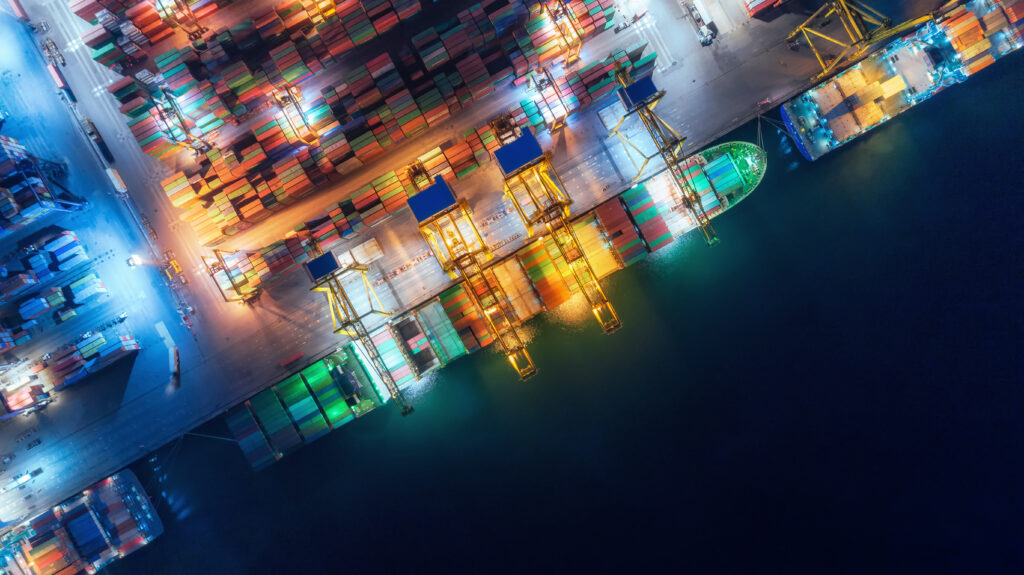
Once the vessel arrives, the container is discharged and processed through the terminal.
But arrival is not release.
The container may still be waiting for:
Customs clearance
Shipping line release
Port health checks
Document corrections
Payment confirmation
Terminal booking availability
This is why planning UK haulage before the container is actually available can get messy.
Step 8: Arrange port release and haulage
Once cleared and released, the container can be collected by a haulier.
For delivery, the haulier needs:
Container number
Collection reference
Delivery address
Site contact
Access details
Unload method
Opening hours
Any restrictions on roads, gates, overhead cables or ground conditions
If the container is being delivered to a site, not just unloaded at a warehouse, access planning is critical. A lorry cannot magically pirouette into a tight yard because someone said “there should be loads of room”. There rarely is.
Step 9: Deliver to final destination
The final stage is UK delivery.
This could be:
Port to warehouse
Port to construction site
Port to factory
Port to storage yard
Port to customer premises
If the container is staying on site, a sidelifter may be used to lift it directly from the vehicle to the ground. If goods are being unloaded, a standard container vehicle may be suitable, depending on site facilities.
Step 10: Keep records
Import records should be kept properly for tax, customs and audit purposes. These include declarations, invoices, transport documents, VAT records and duty calculations.
Boring? Yes.
Important? Also yes.
Because when HMRC asks questions later, “Dave had it in an email somewhere” is not a compliance strategy.
“Importing a container is simple when the paperwork, customs clearance, port release and delivery plan all agree with each other. The problems start when one of them decides to live in a different universe.”
Example
A UK business imports a 40ft container of commercial equipment from Asia.
Before the goods leave origin, the importer confirms the commodity codes, value, Incoterms and required documents. Their freight forwarder arranges sea freight, and their customs agent prepares the import declaration using the commercial invoice, packing list and bill of lading.
The vessel arrives at a UK port, but the container is not immediately ready. The terminal must process it, customs clearance must be completed, and the shipping line must issue release. Once all charges are paid and the container is available, the UK haulier books collection.
The delivery site is checked before the vehicle arrives. There is enough turning room, no low cables, firm ground and a clear area for unloading. The container is delivered without drama, which is exactly how logistics should look from the outside.
The real work happened before the lorry arrived.
FAQ
How long does it take to import a shipping container to the UK?
Transit time depends on the origin country, shipping route, port congestion and customs clearance. The sea journey may take weeks, but UK release and delivery depend on paperwork, customs and port availability.
Do I need a customs broker?
You can manage declarations yourself if properly authorised and experienced, but many importers use a customs broker or freight forwarder because mistakes can cause delays and extra charges.
What documents are needed to import a container?
Common documents include a commercial invoice, packing list, bill of lading, EORI number, commodity codes and any certificates or licences required for the goods.
Can my container be delayed at port?
Yes. Delays can happen because of customs checks, incorrect paperwork, unpaid charges, port health inspections, terminal congestion or shipping line release issues.
Can a container be delivered straight to my site?
Yes, if the site is suitable. Access, ground conditions, turning space, overhead clearance and unloading method all need to be checked before delivery.
Need help moving an imported container from port to site?
Speak to Containerlift and get the transport, lifting and delivery handled properly from the start.

