

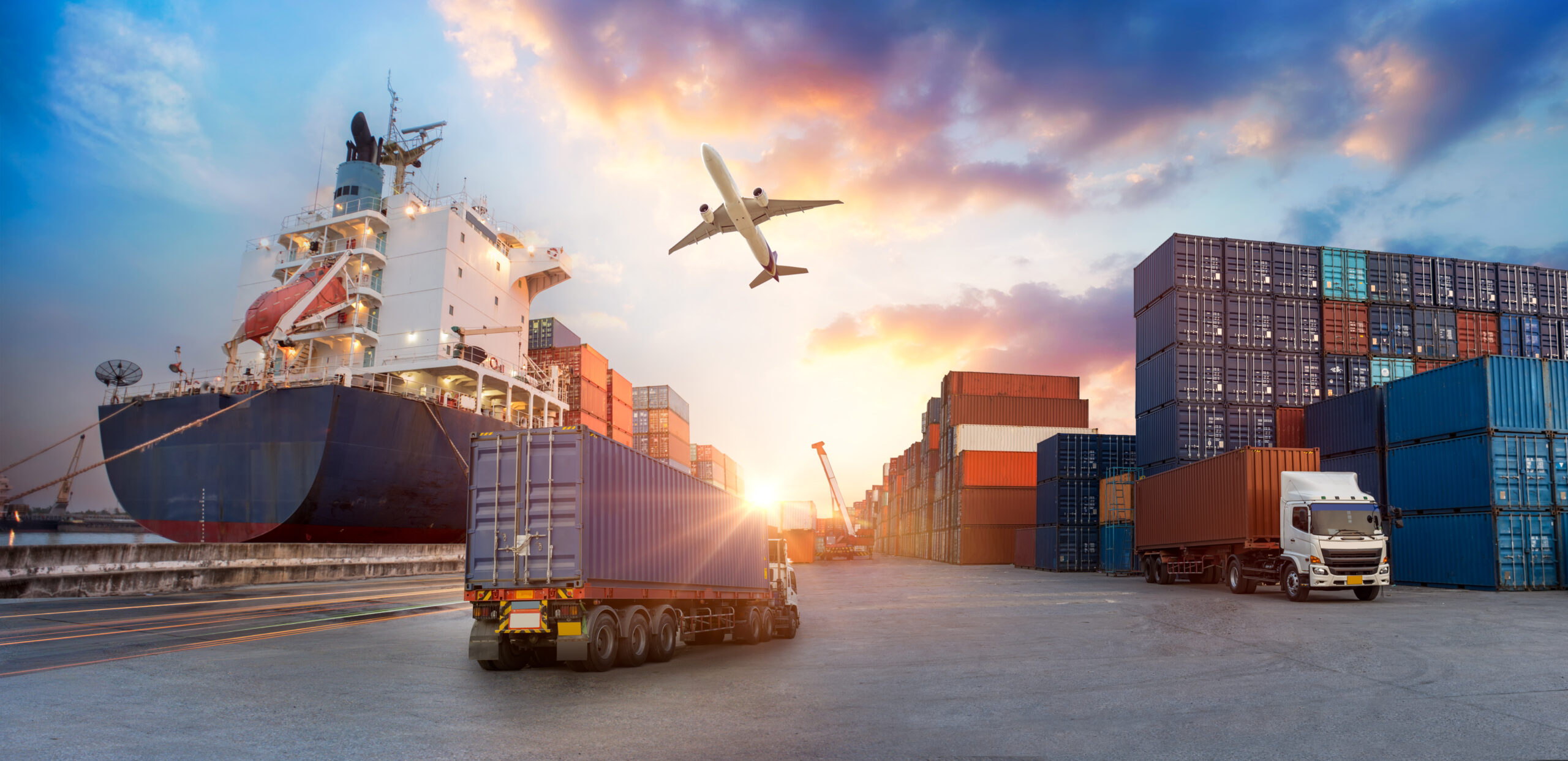
Exporting goods by container: Are you ready to export your products overseas, but don’t know where to start?
For many UK businesses, exporting goods sounds far more complicated than it really is. Terms like Incoterms, commodity codes, customs declarations and Bills of Lading can make international shipping feel like a world reserved for logistics specialists.
The reality is very different.
Every day, thousands of UK manufacturers, wholesalers, retailers and SMEs successfully export products around the globe using standard shipping containers. Whether you’re sending engineering equipment to Australia, retail stock to Canada or machinery to the Middle East, container shipping remains one of the safest, most cost-effective and reliable ways to move goods internationally.
The biggest challenge for first-time exporters isn’t usually shipping itself.
It’s understanding the process.
Knowing what paperwork is required, choosing the correct container, preparing your cargo properly and working with experienced logistics partners can make the difference between a smooth export and expensive delays at the port.
Fortunately, exporting from the UK has become significantly more streamlined over recent years. Modern customs systems, digital documentation and experienced freight forwarders mean that even businesses shipping their very first container can navigate the process with confidence. HMRC continues to update guidance around export declarations and customs procedures through the Customs Declaration Service (CDS), making compliance clearer for UK exporters.
In this beginner’s guide, we’ll explain everything you need to know before your first container leaves the UK, from choosing the right shipping container through to customs paperwork, insurance and avoiding the common mistakes that catch many new exporters.
Why export using shipping containers?
Containerisation transformed global trade.
Before standard shipping containers became commonplace, loading cargo onto ships was slow, labour-intensive and prone to damage. Today, a container loaded at your premises can remain sealed until it reaches your customer’s warehouse thousands of miles away.
For UK businesses this offers several important advantages.
Better protection
Containers protect goods from weather, theft and accidental damage throughout the journey.
Lower transport costs
Sea freight is considerably cheaper than air freight for most commercial goods, especially heavier shipments.
Worldwide reach
Almost every commercial port in the world accepts standard ISO shipping containers, making global trade accessible regardless of destination.
Easier handling
A container can move seamlessly between lorry, train and ship without unloading the cargo.
Before you export
Preparation is everything.
Before thinking about booking transport, every exporter should answer several important questions.
What are you exporting?
Different products have different rules.
For example:
- Machinery
- Consumer goods
- Chemicals
- Food products
- Pharmaceuticals
- Timber
- Dangerous goods
Each category may require different documentation, inspections or licences.
Which country is receiving the goods?
Every country has its own import regulations.
While the UK customs process may be identical, your destination country could require:
- Import permits
- Health certificates
- Product testing
- Local taxes
- Additional inspections
Researching destination requirements early prevents costly delays.
Do you have an EORI number?
Every UK exporter needs a GB EORI (Economic Operators Registration and Identification) number before exporting commercial goods. It is used on customs declarations and identifies your business throughout the export process.
Choosing the right container
One of the first decisions is selecting the correct container.
20ft Standard Container
Ideal for:
- Heavy machinery
- Dense cargo
- Metal products
- Industrial equipment
Maximum payload is higher because the container itself weighs less than a 40ft.
40ft Standard Container
Suitable for:
- Furniture
- Consumer products
- Packaging
- Retail goods
Perfect where volume matters more than weight.
High Cube Containers
High Cube containers provide approximately one additional foot of internal height.
They’re ideal for:
- Tall machinery
- Bulky products
- Lightweight but high-volume cargo
Refrigerated Containers
Used for:
- Food
- Pharmaceuticals
- Flowers
- Temperature-sensitive products
Open Top Containers
Designed for oversized cargo that cannot be loaded through standard container doors.
Flat Rack Containers
Used for:
- Plant equipment
- Large generators
- Construction machinery
- Oversized industrial equipment
Preparing your goods
Many export problems begin before the container even leaves the warehouse.
Your cargo should be:
- Properly palletised
- Evenly weight distributed
- Professionally wrapped
- Clearly labelled
- Securely restrained
Poor packing is one of the leading causes of damaged freight during sea transport.
Export documentation
Paperwork often intimidates first-time exporters, but much of it can be handled by your freight forwarder.
Typical documents include:
Commercial Invoice
Shows:
- Seller
- Buyer
- Goods description
- Value
- Currency
- Incoterms
Packing List
Details:
- Number of packages
- Weight
- Dimensions
- Contents
Export Declaration
Most commercial exports require an electronic export declaration submitted through the Customs Declaration Service before the goods leave the UK. The timing depends on how the goods travel—for many container shipments by sea, declarations must be lodged before loading in line with HMRC requirements.
Bill of Lading
Issued by the shipping line.
Acts as:
- Receipt
- Contract of carriage
- Proof of ownership
Certificate of Origin
Sometimes required depending upon the importing country.
Understanding Incoterms
One of the biggest areas of confusion.
Incoterms define who pays for what.
Some common examples include:
EXW (Ex Works)
Buyer arranges almost everything.
Seller simply makes goods available.
FCA (Free Carrier)
Seller delivers goods to an agreed carrier.
Common for container exports.
CIF (Cost Insurance Freight)
Seller pays freight and insurance to destination port.
DAP (Delivered At Place)
Seller delivers to buyer’s location.
Buyer handles import duties.
Choosing the right Incoterm ensures everyone understands their responsibilities and reduces disputes.
Working with a freight forwarder
For first-time exporters, using a freight forwarder is often the smartest decision.
A good freight forwarder can:
- Arrange shipping
- Book vessels
- Handle customs
- Produce documentation
- Coordinate transport
- Arrange insurance
- Solve problems before they become expensive
Think of them as your international logistics manager.
Why sidelifter delivery makes exporting easier
One area many new exporters overlook is how the container reaches their premises.
Traditional container deliveries often require specialist lifting equipment.
A sidelifter removes that problem.
The container is lifted directly from the trailer and placed exactly where loading is required.
Benefits include:
- No crane hire
- Faster loading
- Lower costs
- Greater flexibility
- Suitable for many customer sites
For businesses exporting from factories, farms, warehouses or construction sites, sidelifters can dramatically simplify the logistics process.
Common mistakes first-time exporters make
The most frequent issues include:
- Incorrect commodity codes
- Choosing the wrong Incoterm
- Poor cargo securing
- Incomplete paperwork
- Underinsuring cargo
- Booking transport too late
- Not checking destination import rules
Almost every one of these problems can be avoided with proper planning.
Final thoughts
Exporting by container isn’t reserved for multinational corporations.
Thousands of UK SMEs export successfully every year, often beginning with a single container.
With the right preparation, experienced logistics partners and clear understanding of the export process, international trade becomes far less daunting than many businesses expect.
Whether you’re shipping one pallet or multiple containers each month, investing time in understanding the basics will save money, reduce delays and help build stronger relationships with overseas customers.
“Successful exporting isn’t about knowing every customs rule yourself—it’s about working with the right logistics partners who do.”
Planning your first export shipment?
The experienced team at Containerlift can help you move containers safely from your premises to the port using specialist sidelifter transport, while working alongside trusted freight and logistics partners to ensure your export journey starts smoothly.
Contact Containerlift today to discuss your next export project.

